Manual vs Automatic Transfer Switch: What's the Difference
September 12, 2026
QUICK ANSWER: A manual transfer switch requires you to walk over and flip a lever to route generator power to a set of pre-selected circuits. An automatic transfer switch senses the outage on its own, starts a standby generator, and completes the changeover without anyone touching it, usually within 10 to 30 seconds. Both exist to do the same safety-critical job: physically isolate your home's wiring from the utility grid so backup power can never flow backward onto lines a utility crew might be working on. Manual switches are simpler and limit you to a handful of circuits you choose ahead of time, which suits a household that's usually home and running a portable generator. Automatic switches pair with a permanently installed standby generator and can cover far more of the house with no one present, which matters most for homes that sit empty for stretches, run medical equipment, or ride out long outages during hurricane season. The right pick comes down to how much of your home needs power without you there, and how long your stretch of coast tends to stay dark after a storm.
The power drops on a Tuesday night in September, and the house goes quiet the way it always does — no hum from the refrigerator, no glow from the router, just the porch light guttering out mid-flicker. Somewhere in the garage sits a generator that was supposed to solve exactly this problem. The question that decides how the next few hours go isn't whether the generator runs. It's how that generator's power actually gets into the house, and who — or what — has to make that connection happen.
That connection is the job of a transfer switch, and it's not optional hardware. Running an extension cord from a generator through a window, or worse, plugging a generator directly into a wall outlet to "backfeed" the house, sends electricity out through your home's wiring and onto the utility lines outside. Those lines are the same ones utility crews are working to restore, often without any warning that a live generator is pushing power the wrong direction. A transfer switch — manual or automatic — is what makes generator power arrive safely instead.
Why Every Generator Setup Needs a Transfer Switch
The Backfeed Hazard Is Why Transfer Switches Exist
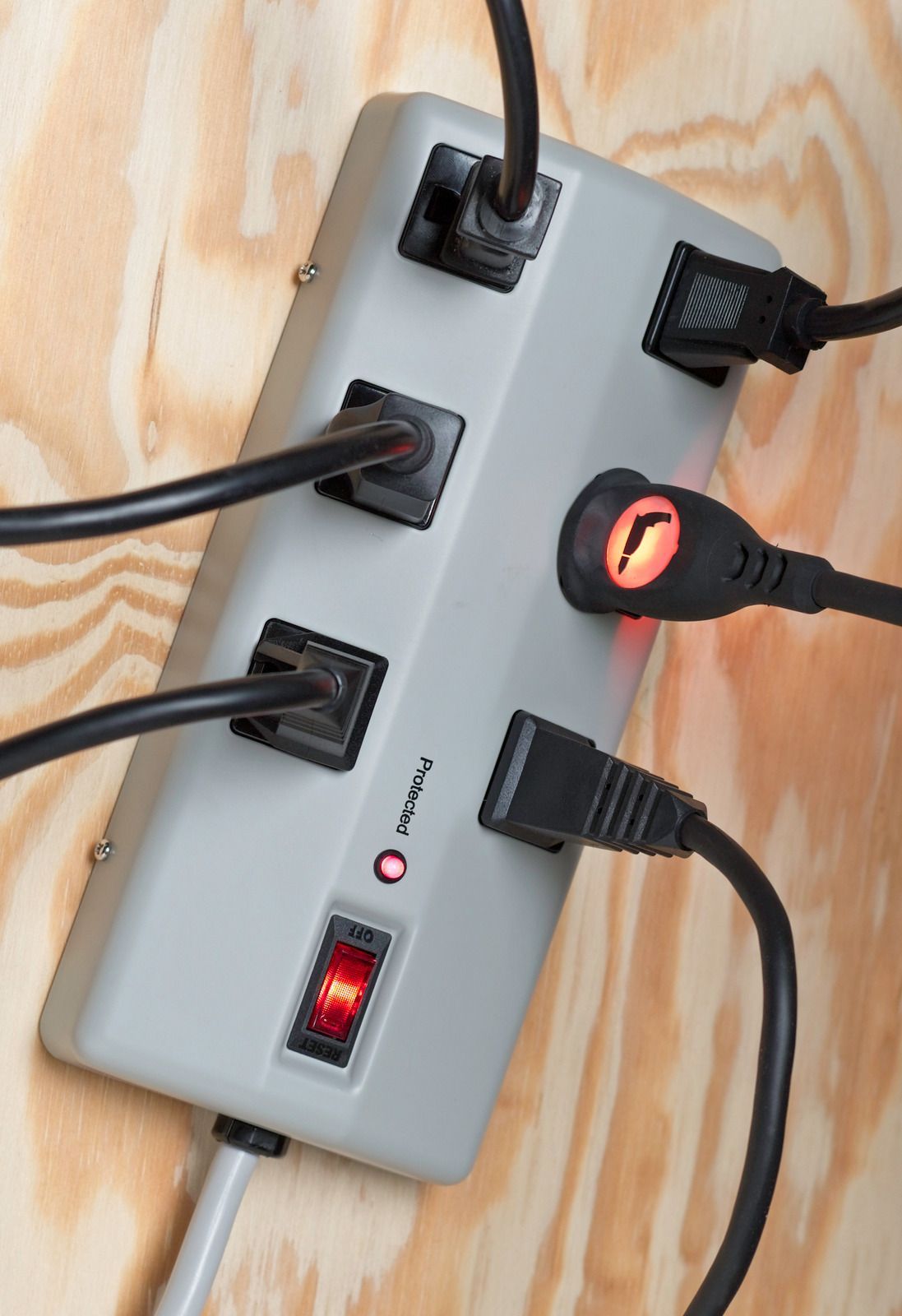
A transfer switch prevents dangerous generator backfeed by isolating the home's electrical system from utility power before connecting the generator. Without that separation, electricity can flow onto neighborhood power lines and endanger utility workers. The U.S. Consumer Product Safety Commission identifies electrocution among major generator hazards, alongside carbon monoxide poisoning, and fire.
Extension Cords Aren't A Workaround
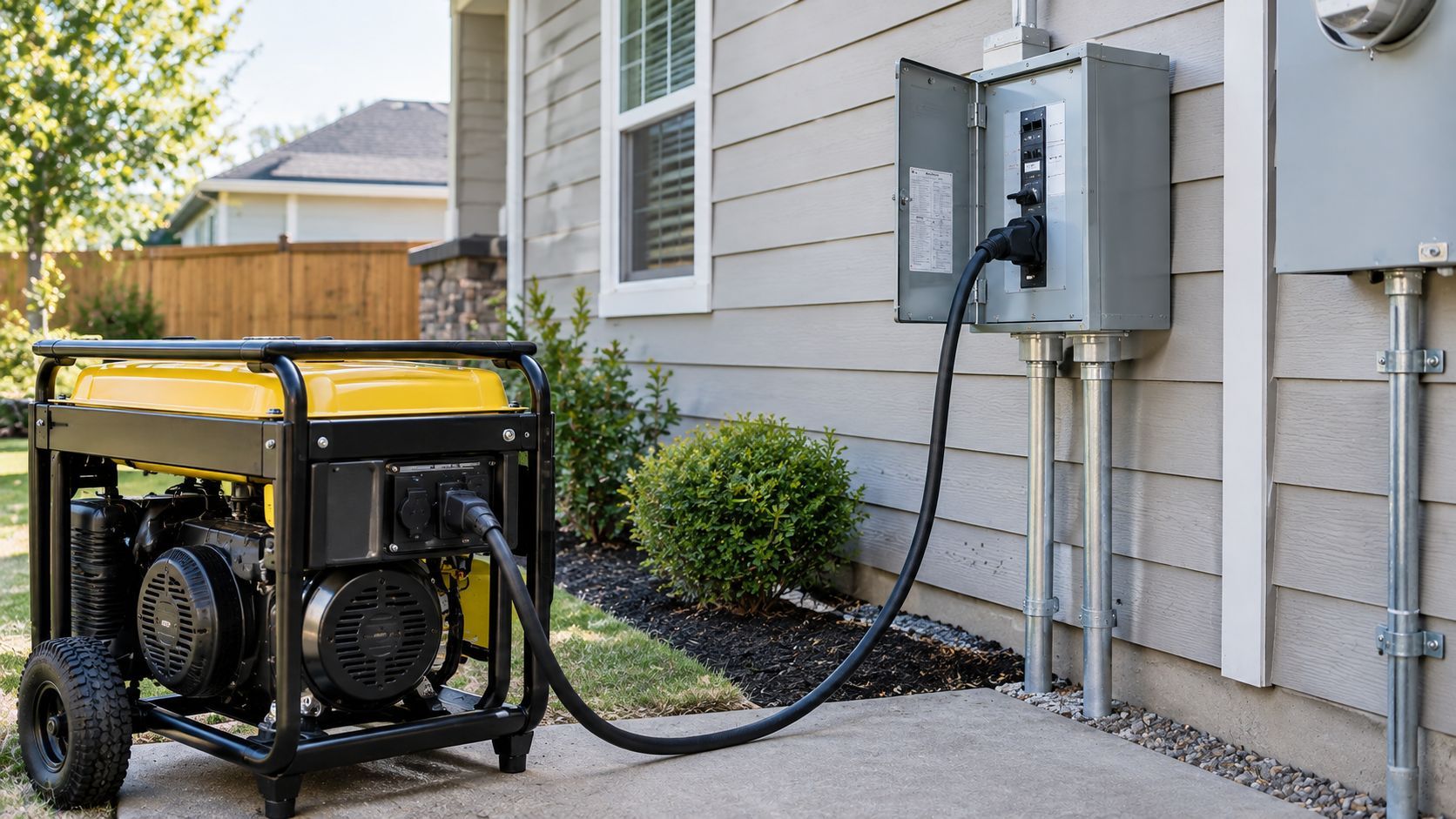
Extension cords are not a substitute for proper generator connections. Generators should operate outdoors at least 20 feet from windows, doors, and attached garages, with household wiring connected through approved equipment. Feeding a cord through a window or improvising connections can expose occupants to carbon monoxide and serious electrical hazards inside the home.
Both Switch Types Solve This Differently
Manual and automatic transfer switches provide the same essential protection: they separate the home from utility power before connecting the generator. This break-before-make action prevents backfeeding. The difference is operation and coverage. Manual switches require someone to change the connection, while automatic switches detect conditions and transfer power automatically when needed during outages.
What a Manual Transfer Switch Actually Does
How It Operates
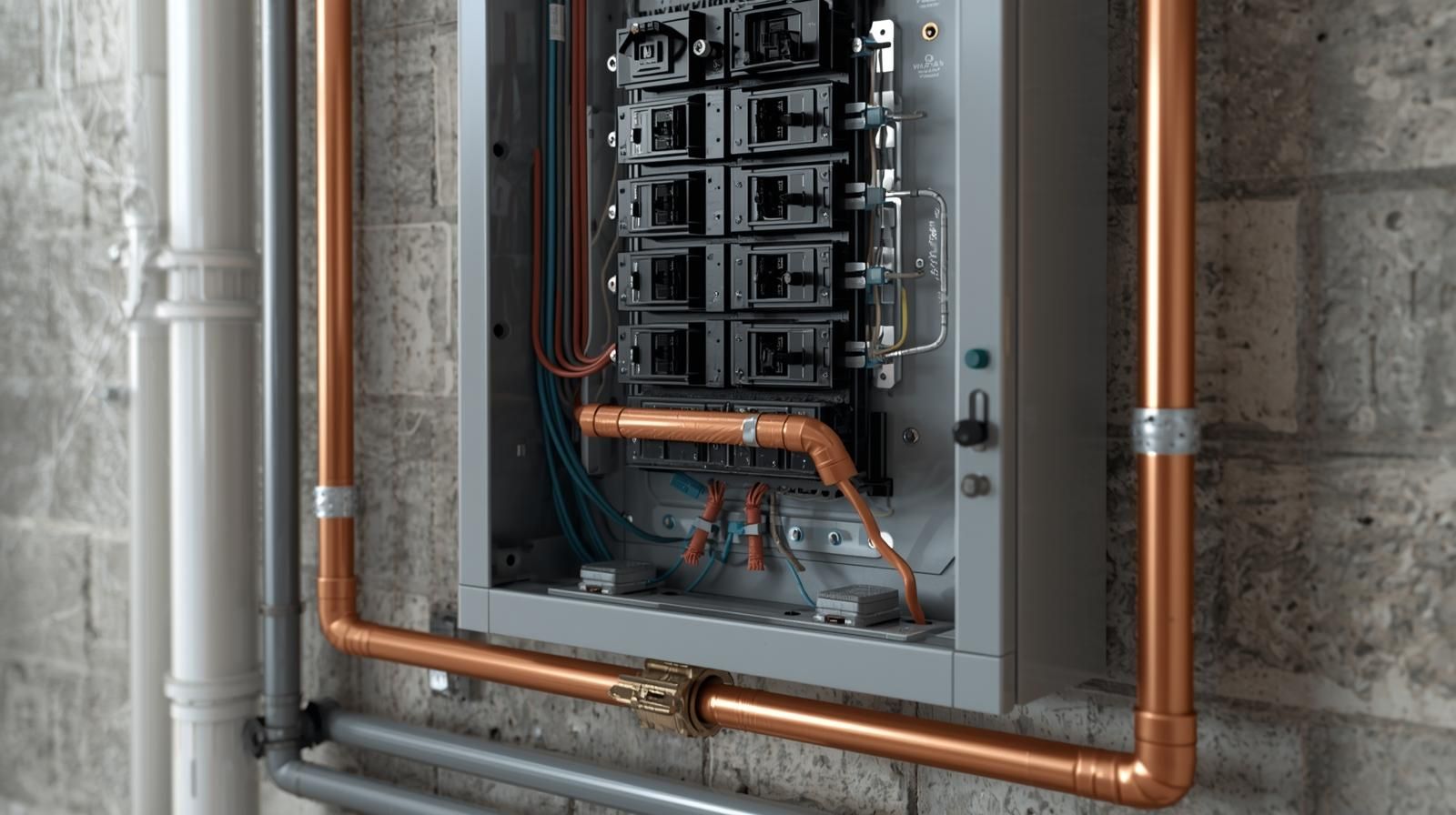
A manual transfer switch is installed near the main electrical panel and connects selected circuits, such as refrigerators, lights, pumps, or furnaces. During an outage, you start the generator, connect its cord to the switch inlet, then manually activate each circuit you want powered.
What It Protects You From Doing Wrong
A manual transfer switch helps prevent portable generator overloads by limiting power to circuits selected during installation. Because only those circuits can be connected, you cannot accidentally draw power from additional household loads through the switch. That built-in restriction provides an important safety benefit during operation.
What It Doesn't Do Automatically
A manual transfer switch cannot detect outages, monitor conditions, or operate while you're away. If electricity fails when you're working, sleeping, or traveling, someone must start the generator and operate the switch manually. Its simplicity keeps operation straightforward, but it requires someone to be present whenever backup power is needed.
What an Automatic Transfer Switch Actually Does
How It Senses An Outage
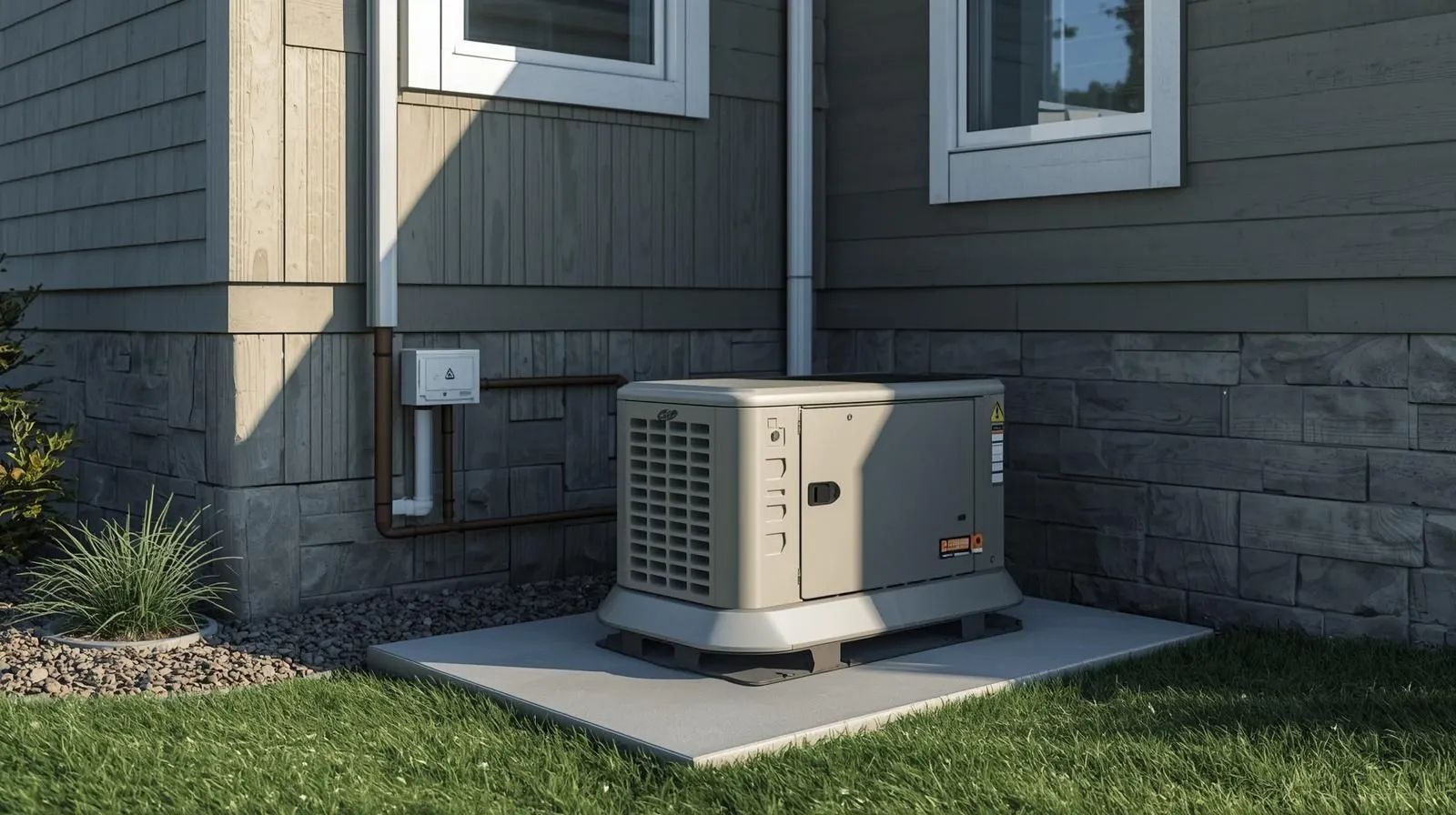
An automatic transfer switch continuously monitors utility voltage and detects power loss or significant drops. It then signals a permanently installed standby generator to start automatically. No one needs to notice the outage, start equipment manually, or connect a generator cord before backup power becomes available.
How Fast The Switch Happens
After the generator starts and stabilizes, the switch transfers power to covered household circuits. The switching itself takes less than a second once ready, but the complete process typically takes 10 to 30 seconds. Most appliances tolerate this gap, while sensitive equipment may benefit from a UPS.
What Has To Be True For It To Work
An automatic transfer switch requires a permanently installed standby generator properly sized for the intended load. The switch must also be professionally sized, wired, and tested. Monitoring circuits, generator controls, interlocks, and load calculations must work correctly to ensure safe, reliable automatic power transfer during outages.
The Real Differences Between the Two
Who Has To Be There
A manual switch requires someone present and able to start the generator and complete the transfer process whenever power fails. An automatic switch operates without anyone home, starting the generator and restoring covered circuits whether you're asleep, working, or away for several days.
How Many Circuits Each Can Cover
Manual switches typically serve a defined group of essential circuits matched to a portable generator's capacity. Automatic switches paired with standby generators can support significantly more circuits, sometimes most of the house, because the system manages available generator power automatically rather than relying on manual load selection.
How Much Monitoring And Testing Each Needs
Manual switches have relatively few components and mainly require periodic inspection of connections and operating mechanisms. Automatic systems contain sensing electronics, starter controls, and generators requiring regular testing and exercise. Periodic checks help confirm everything responds properly before an actual outage creates an emergency.
How Each Performs During Flooding Or Humidity
Coastal properties face standing water, wind-driven rain, and salt-laden humidity that can accelerate deterioration of outdoor electrical equipment. For either switch type, appropriate enclosures and regular inspections become especially important when equipment is installed outdoors or inside an unconditioned garage exposed to moisture.
Which Setup Makes Sense for a Coastal Carolina Home
If You're Almost Always Home When Storms Roll Through
A manual transfer switch paired with a portable generator works well when someone is usually home during outages. It requires a person to start the generator, connect it, and restore selected circuits while non-essential systems remain without power.
If Your Home Sits Unattended For Stretches
Homes left unattended during hurricane season benefit from automatic transfer switches. Whether it's a vacation property, second home, or a house where occupants work long hours away, backup power returns automatically without requiring anyone to be present.
If Someone In The House Depends On Powered Medical Equipment
Automatic transfer switches reduce delays between an outage and backup power restoration. This can be especially important when refrigerated medications or powered medical equipment are involved, allowing caregivers to remain with the person who needs assistance instead of operating a generator.
TIP: Whichever switch you have, exercise it. A generator that only gets tested when a hurricane is already forecast is the wrong time to discover a dead battery or a stuck lever. Most standby systems support a short weekly or monthly self-test cycle, and a manual switch benefits from being flipped through its full range a few times a year so the mechanism doesn't seize up from disuse.
A transfer switch is also not a piece of equipment you retrofit casually. Both types need to be matched to your home's electrical service, your generator's output, and the specific circuits you're relying on — get any of those wrong and you either overload the system or leave a critical circuit uncovered when you need it most.
WARNING: Never connect a generator to your home's wiring by plugging it into a wall outlet or a dryer receptacle, sometimes called "suicide cords" for exactly the reason they're dangerous. This backfeeds your entire electrical system and can send lethal voltage onto utility lines that crews may believe are de-energized. A transfer switch, sized and installed by a licensed electrician, is the only safe path between a generator and your home.
Frequently Asked Questions
Can I upgrade a manual transfer switch to an automatic one later?
In most cases yes, but it usually means replacing the switch and adding a permanently installed standby generator, not just automating your current hardware. A licensed electrician can confirm whether your wiring supports the change.
Do automatic transfer switches work with portable generators?
They're built around standby generators that start themselves on command. Portable generators need manual starting and fueling, so pairing one with an automatic switch removes most of the benefit, since someone still has to start the engine.
How many circuits does my home actually need covered during an outage?
That depends on what you consider essential, often refrigeration, a well pump, medical equipment, HVAC, and communications. A load assessment reviews your panel and typical draw to size either switch type's coverage correctly.
What happens if the automatic transfer switch fails during a storm?
Like any electromechanical system, it can fail, which is why routine testing matters as much as installation. A well-maintained system with regular self-tests and professional inspection rarely fails exactly when you need it most.
Can a manual transfer switch handle a whole-house generator?
Manual switches are typically sized for a defined set of essential circuits, since the whole point is managing what draws power by hand. Whole-house coverage generally calls for an automatic switch paired with a properly sized generator.
How often should a transfer switch be tested?
Automatic systems benefit from a brief self-test cycle built into the generator's controller, plus an annual professional inspection. Manual switches should be run through their full range a few times a year to stay free and clean.
Matching the Right Switch to Your Home
The difference between a manual and an automatic transfer switch comes down to who, or what, takes responsibility for making a safe connection the moment the grid goes down. A manual switch puts that responsibility on you, with real limits on how much of the house it can cover. An automatic switch hands it to equipment that watches around the clock, whether anyone is home or not, keeping a generator's power exactly where it belongs, instead of putting anyone at risk.
EDGElectric
has spent 11+ years sizing, wiring, and testing manual and automatic transfer switches
for homes across Wilmington, NC, where hurricane season makes backup power more than a convenience. Every installation starts with a look at how a household actually lives, not a generic setup pulled off a shelf. Getting that connection right, before the first storm of the season rolls in, is what keeps a generator doing its job safely long after the lights come back on.