
GFCI & AFCI Installation in Wilmington & Jacksonville, North Carolina

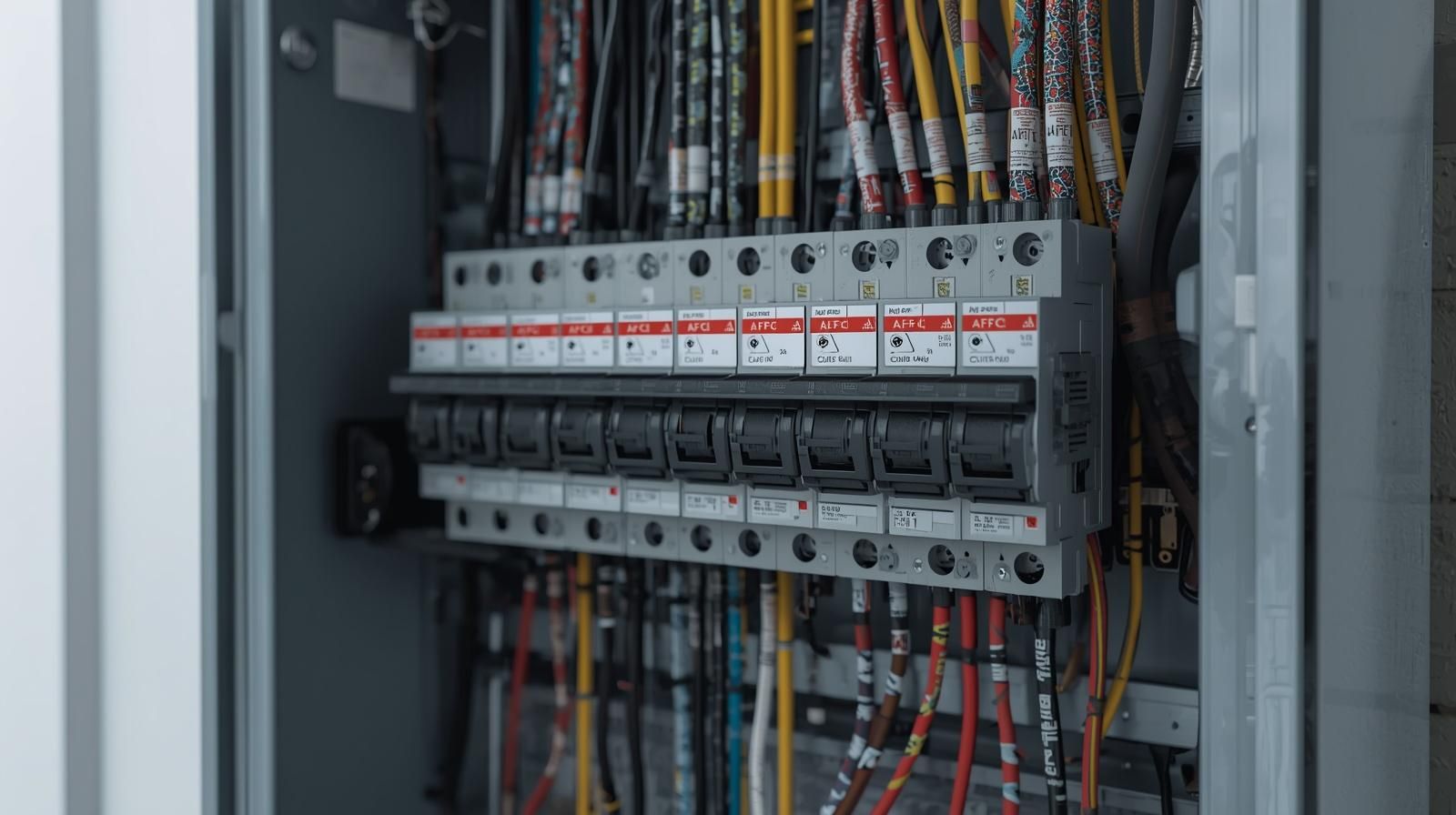
Code-Compliant GFCI and AFCI Installation for Enhanced Protection
Electricity should empower your home, not place it at risk. Faulty wiring, overloaded circuits, and moisture exposure can quietly create dangerous conditions behind walls and inside outlets. At EDGElectric, we install GFCI and AFCI protection systems that are engineered to respond instantly when irregular current patterns are detected. These devices act as vigilant safeguards, cutting power before shock hazards or electrical fires can escalate. With more than 11 years of residential electrical contractor experience, we approach every installation with technical discipline, detailed inspections, and strict adherence to the National Electrical Code.
We serve Wilmington & Jacksonville, North Carolina, as well as the surrounding areas including Leland, Wrightsville Beach, Carolina Beach, and Hampstead. Homes across New Hanover County face humid coastal conditions, salt air exposure, and seasonal storms that can accelerate electrical wear. In growing communities near the Cape Fear River and along the Intracoastal Waterway, updated protection devices are increasingly essential for code compliance and insurance standards. As Wilmington continues expanding with new construction and renovations, safe and properly configured circuits remain critical for long-term reliability.
Electrical protection is not optional in modern construction; it is foundational to responsible homeownership. GFCI outlets protect against ground faults in kitchens, bathrooms, garages, and outdoor spaces. AFCI breakers detect dangerous arc faults within walls and wiring systems. Together, these technologies form a layered defense strategy. Our team evaluates panel capacity, wiring integrity, and circuit distribution before installation, ensuring that protective devices function precisely as intended. When safety is engineered correctly from the start, homes operate with confidence and resilience.
Our GFCI & AFCI Installation Services
GFCI Outlet Installation and Replacement
We install and replace GFCI outlets in kitchens, bathrooms, garages, crawl spaces, laundry areas, and exterior locations. Each outlet is tested for trip response accuracy, wiring polarity, and grounding integrity to ensure dependable protection in high-risk environments.
AFCI Breaker Installation in Electrical Panels
Arc fault circuit interrupter breakers are integrated directly into service panels to monitor branch circuits. Installation includes panel inspection, load calculation review, and secure termination procedures to ensure stable electrical distribution and fire-prevention reliability.
Electrical Panel Evaluation and Upgrades
Before installing AFCI protection, panel capacity and compatibility must be carefully verified. We evaluate breaker space availability, amperage ratings, grounding systems, and overall panel condition to determine whether upgrades or modifications are required to safely integrate advanced protective devices.
Code Compliance Corrections and Retrofits
Many older homes lack required ground fault and arc fault protection mandated by current standards. Retrofit services update existing wiring configurations to meet modern electrical codes, enhancing safety, improving inspection outcomes, and reducing fire and shock risks without extensive structural modifications.
Outdoor and Waterfront Protection Installation
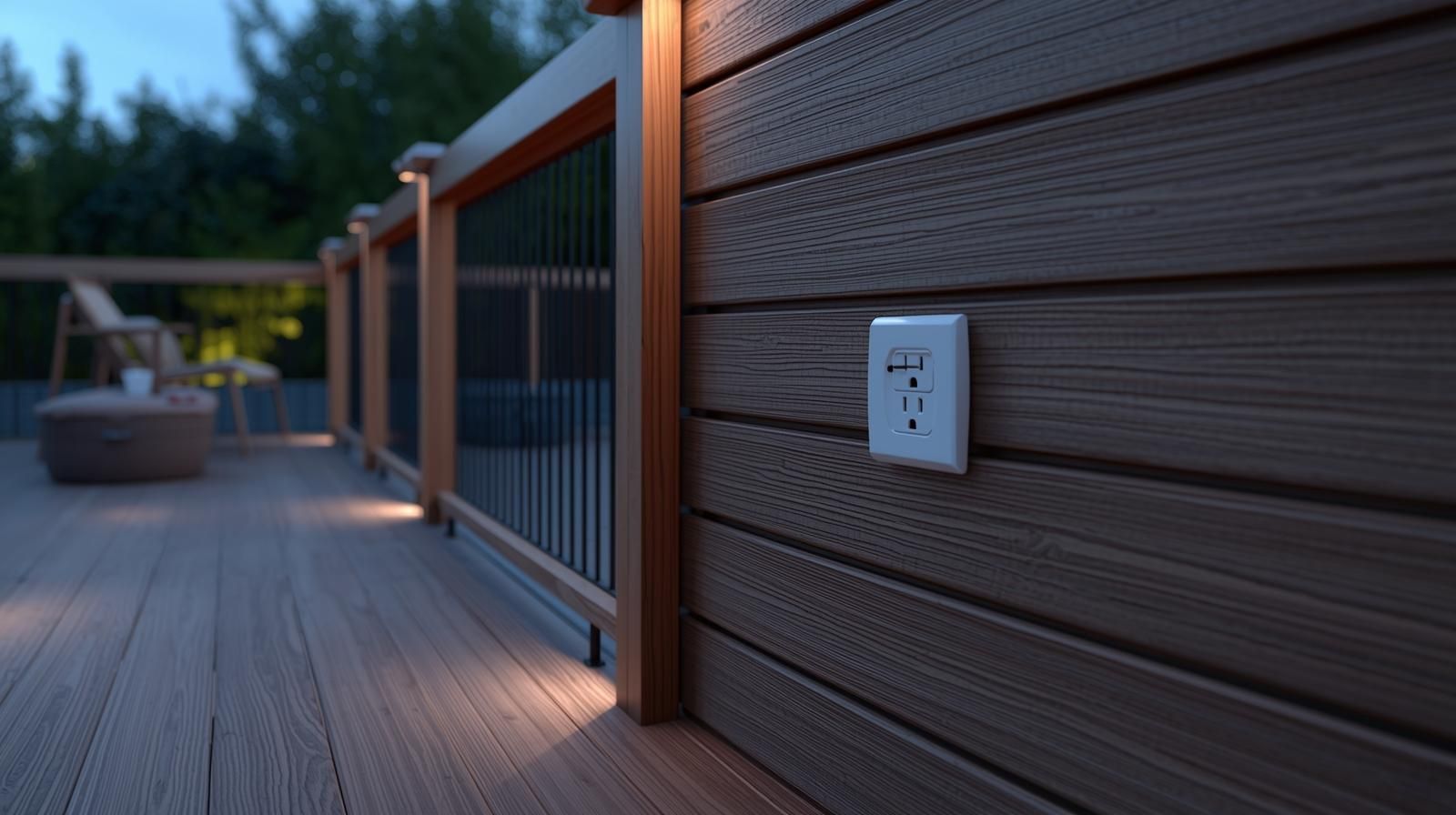
Exterior outlets, decks, docks, and pool equipment require properly rated GFCI protection for moisture-prone conditions. Installations use weather-resistant receptacles, sealed enclosures, and in-use covers, providing dependable protection against electrical shock and minimizing hazards caused by rain, humidity, and coastal exposure.
Troubleshooting Nuisance Tripping and Fault Diagnosis
Frequent breaker trips may indicate wiring damage or overloaded circuits. Diagnostic evaluations identify root causes, allowing corrective repairs and proper device configuration that restore dependable performance while maintaining full protective functionality.
Benefits of Professional GFCI & AFCI Installation
Immediate Protection Against Electrical Shock
GFCI devices monitor electrical flow and instantly interrupt power when ground faults occur. This rapid response significantly reduces the risk of severe electrical shock in moisture-prone areas such as kitchens, bathrooms, garages, and exterior outlets, creating a safer environment for occupants and guests.
Advanced Fire Prevention Technology
AFCI breakers detect irregular arcing conditions that traditional breakers may not recognize. By shutting down circuits before overheating or ignition occurs, these devices help prevent electrical fires caused by damaged wires, loose connections, or deteriorating insulation hidden within walls.
Compliance with Current Electrical Codes
Modern building standards require GFCI and AFCI protection in specific residential areas. Professional installation ensures compliance with updated National Electrical Code requirements, reducing inspection issues, supporting insurance eligibility, and protecting property value during renovations or resale transactions.
Enhanced Protection in High-Moisture Environments
Bathrooms, laundry rooms, outdoor kitchens, and coastal properties experience frequent humidity exposure. Ground fault protection minimizes electrical hazards associated with moisture infiltration, safeguarding appliances and electrical systems from sudden power surges or unexpected short circuits.
Long-Term Electrical System Reliability
By addressing arc faults and ground faults early, protective devices reduce strain on wiring and connected equipment. This proactive safeguard minimizes wear, extends component lifespan, and supports consistent electrical performance throughout the home’s overall system.
Increased Home Safety for Families and Guests
Children, visitors, and homeowners benefit from protection systems designed to respond instantly to hidden electrical threats. Installing properly configured GFCI and AFCI devices adds a dependable layer of safety that reduces risk in everyday activities.
Strengthen Electrical Safety with Advanced Fault Detection Systems
Electrical protection should never be an afterthought. In coastal environments like Wilmington & Jacksonville, North Carolina, where humidity, salt air, and seasonal storm activity place added stress on residential wiring systems, proactive safeguards are essential. At EDGElectric, GFCI and AFCI installations are approached with precision, methodical evaluation, and strict compliance oversight aligned with current electrical codes.
Every circuit is examined for compatibility, proper load balance, and structural integrity before protective devices are integrated. Protection is not simply about passing inspection; it is about preventing electrical fires, shock hazards, and hidden arc faults before they escalate. Homes deserve systems that anticipate risk and respond instantly. With thoughtful planning and disciplined execution, electrical infrastructure becomes stronger, safer, and more dependable for years to come.
Frequently Asked Questions
What is the difference between GFCI and AFCI protection?
GFCI devices protect against electrical shock by detecting ground faults caused by moisture or improper wiring. AFCI devices detect dangerous arcing conditions that may lead to electrical fires. Both serve distinct safety functions and are often required in specific residential locations to provide comprehensive electrical protection.
Where are GFCI outlets typically required in homes?
GFCI outlets are generally required in bathrooms, kitchens, garages, laundry areas, crawl spaces, unfinished basements, and outdoor locations. These areas are prone to moisture exposure or contact with grounded surfaces, increasing the risk of electrical shock if protection is not properly installed.
Why do AFCI breakers trip unexpectedly?
Unexpected tripping may result from loose connections, damaged wiring, overloaded circuits, or incompatible devices. AFCI breakers are designed to detect subtle arcing irregularities. A thorough diagnostic evaluation identifies whether the trip indicates a legitimate hazard or requires circuit adjustments.
Are GFCI and AFCI installations mandatory in older homes?
Requirements depend on renovation scope and local code enforcement. Significant electrical updates typically trigger compliance upgrades. In Wilmington, North Carolina, EDGElectric evaluates existing systems and determines whether protective devices must be added to meet inspection and safety standards.
Can these devices protect outdoor outlets near water?
Yes, GFCI protection is engineered for moisture-prone exterior environments where shock risk increases. When paired with weather-resistant receptacles, in-use covers, and properly sealed electrical boxes, these devices provide dependable protection around pools, decks, patios, docks, and other waterfront structures exposed to rain and humidity.
How long do GFCI and AFCI devices last?
GFCI and AFCI devices typically function effectively for several years, depending on electrical load, environmental exposure, and frequency of tripping events. Routine testing helps confirm responsiveness. Replacement is advisable if devices fail self-tests, show physical damage, or demonstrate inconsistent reset performance.
Will installing these devices increase home value?
Upgraded electrical protection can strengthen buyer confidence and inspection outcomes during resale. Modern code-compliant GFCI and AFCI installations signal responsible maintenance and reduced safety risks. While value increases vary, improved compliance and documented upgrades often contribute positively to overall property marketability.
How often should protective outlets be tested?
Protective outlets should be tested monthly using the integrated test button to confirm proper interruption function. After testing, press the reset button to restore power. Regular verification ensures internal safety mechanisms remain responsive and ready to disconnect electricity during abnormal current conditions.
What our customers have to say...
Testimonials