
EV Charger Installation in Wilmington & Jacksonville, North Carolina
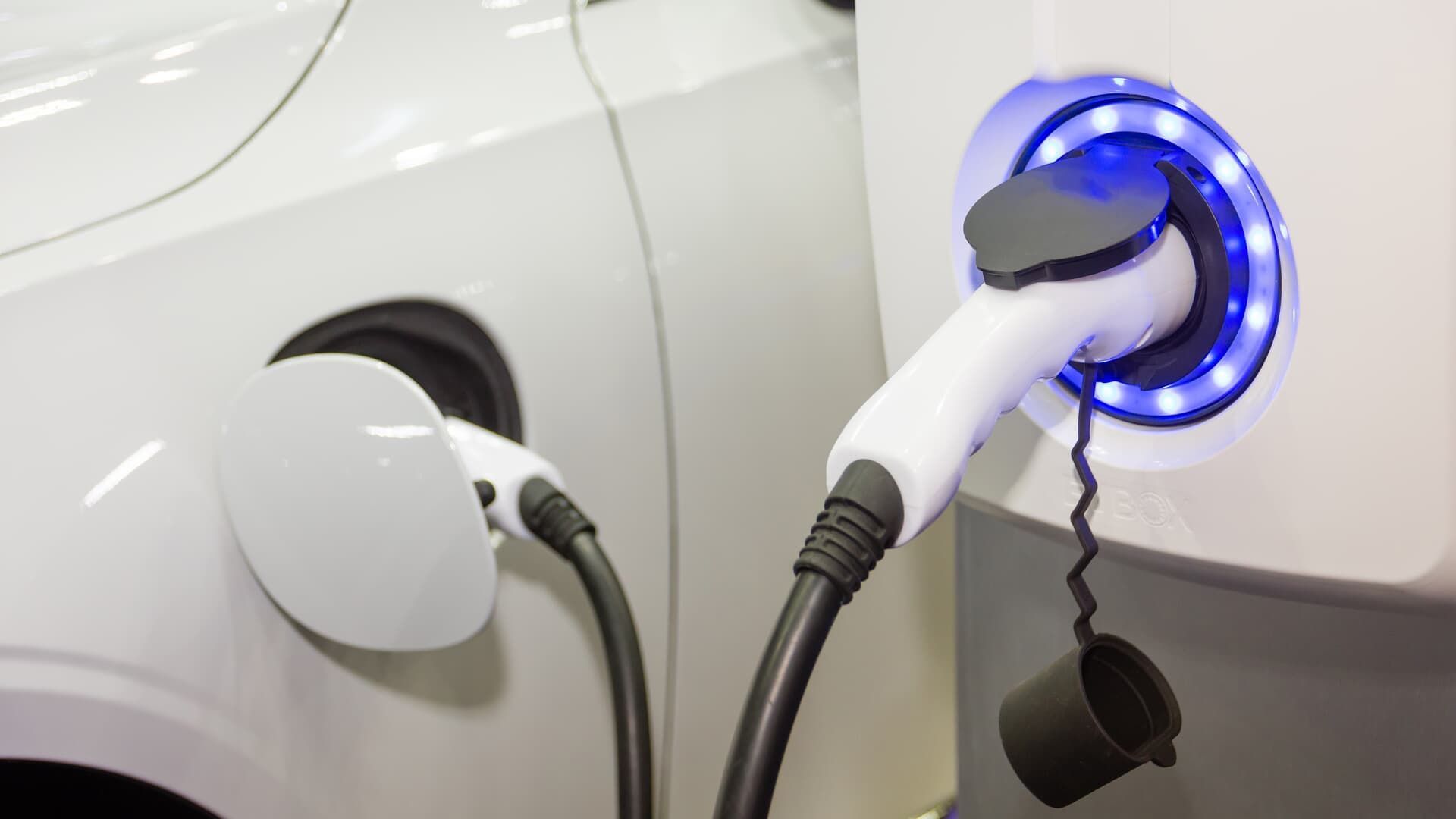
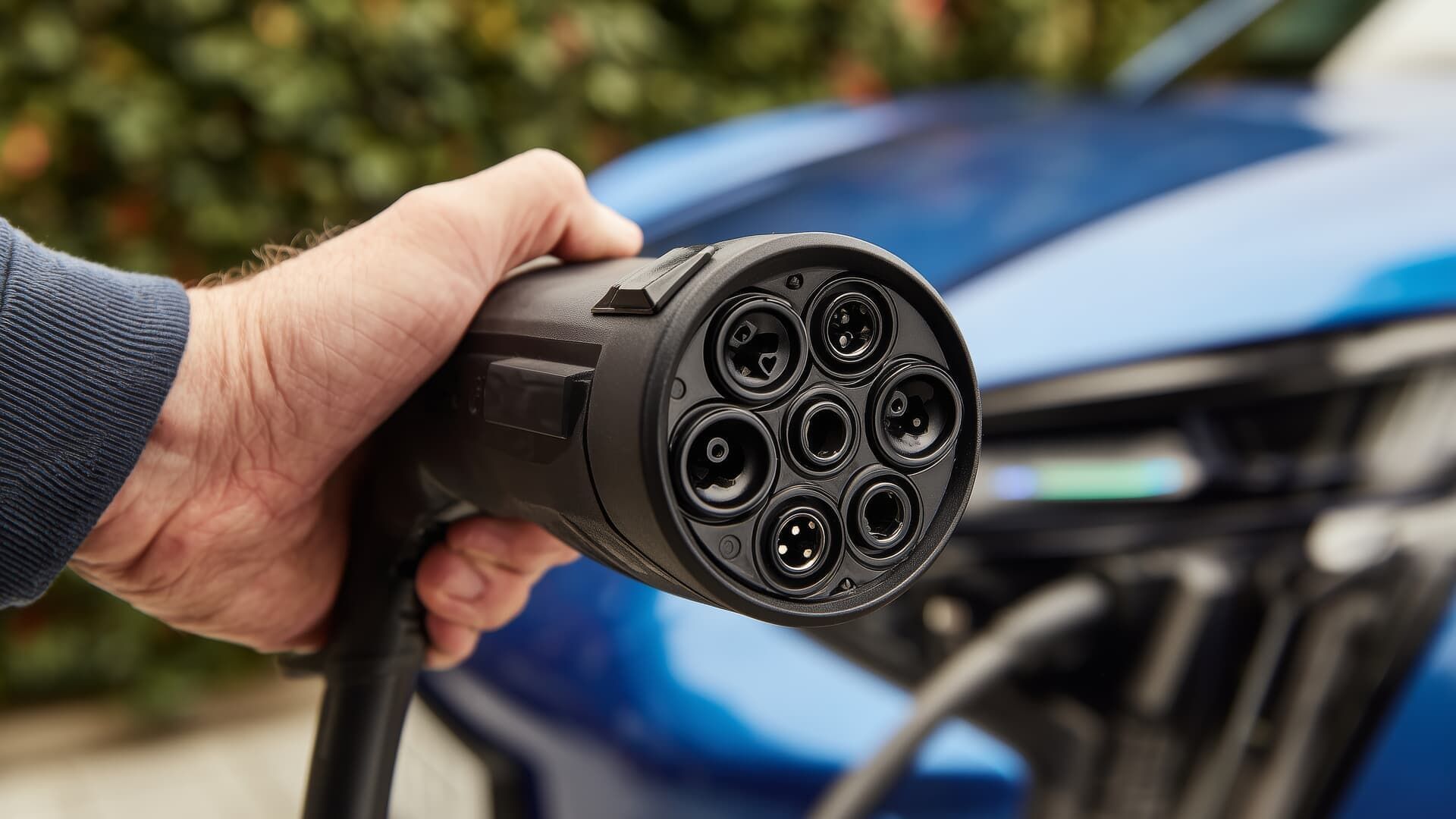
Residential EV Charger Installation for Fast, Efficient Home Charging
Electric vehicles are no longer a trend—they are a practical shift in how households power daily life. Installing a home charging station transforms convenience, efficiency, and property value in one strategic upgrade. At EDGElectric, we approach EV charger installation with disciplined electrical design, safety-focused planning, and long-term performance in mind. Every charging system must integrate seamlessly with an existing electrical panel, operate reliably under continuous load, and meet national and local code standards.
With 11+ years of residential electrical contractor experience, we focus on structured installations that support consistent charging speed, circuit protection, and future expansion capability.
We serve Wilmington & Jacksonville, North Carolina, as well as the surrounding communities of Leland, Carolina Beach, Hampstead, and Wrightsville Beach. Coastal North Carolina presents unique electrical considerations, including humidity, salt exposure, and storm-related power fluctuations. Homes throughout New Hanover County often require panel assessments, load calculations, and protective equipment upgrades before EV chargers are installed. Careful evaluation ensures the electrical system can safely support Level 2 charging without overloading circuits or compromising home safety.
Installing an EV charger is not a simple add-on; it is an infrastructure upgrade. Proper permitting, grounding methods, breaker selection, and voltage verification all play a role in ensuring long-term reliability. Our approach emphasizes preparation over shortcuts, precise workmanship over guesswork, and safety over speed. When a charging system is designed and installed correctly, it supports everyday convenience while protecting the integrity of the entire electrical network.
Our EV Charger Installation Services
Level 2 Home Charger Installation
Level 2 charging systems provide significantly faster charging speeds using 240-volt circuits. Installation includes dedicated breaker placement, appropriate conductor sizing, mounting configuration, and performance testing. Structured integration ensures consistent power delivery and compatibility with most residential electric vehicle models.
Electrical Panel Capacity Evaluation and Upgrades
Before installation, panel load calculations determine available amperage capacity. When necessary, breaker additions, subpanel installations, or full panel upgrades are completed to safely support new charging demands. Proper load balancing prevents system overload and ensures long-term operational reliability.
Dedicated Circuit Installation for EV Charging
Dedicated circuits isolate charging equipment from other household loads. This reduces interference, prevents nuisance breaker trips, and improves charging consistency. Installation includes appropriate wiring methods, grounding systems, and protective conduit to maintain code-compliant electrical separation.
Outdoor and Garage Charger Mounting Solutions
Charging equipment can be installed in garages, driveways, or exterior walls. Weather-resistant enclosures, corrosion-resistant fasteners, and secure conduit routing ensure safe performance in varying environmental conditions. Mounting height and placement are optimized for accessibility and long-term usability.
Smart Charger Integration and Configuration
Modern EV chargers often include Wi-Fi connectivity, scheduling tools, and energy monitoring features. Installation includes system configuration, network setup, and functionality testing to ensure seamless communication between the charger, vehicle, and home electrical infrastructure.
Permit Coordination and Inspection Preparation
Electrical installations must meet local code and inspection standards. Proper documentation, permit submission, and compliance verification streamline the approval process. Inspection readiness confirms that wiring methods, grounding systems, and circuit protection devices meet regulatory requirements.
Benefits of Professional EV Charger Installation
Faster and More Reliable Charging Performance
Level 2 charging systems significantly reduce charging time compared to standard wall outlets. Proper circuit sizing, breaker configuration, and voltage verification ensure consistent power delivery. Professional installation prevents overheating, voltage drops, and intermittent charging interruptions that can reduce system efficiency and long-term battery performance.
Enhanced Electrical Safety and Code Compliance
Dedicated circuits, appropriate conductor sizing, and compliant grounding techniques reduce the risk of overloads, electrical fires, and breaker failures. Installation aligned with National Electrical Code standards ensures that the charging system integrates safely with the existing panel, protecting both occupants and connected appliances.
Increased Property Value and Market Appeal
As electric vehicle adoption expands, homebuyers increasingly prioritize built-in charging capability. A professionally installed EV charger signals infrastructure readiness and modern utility. Structured installation with proper permits and inspection documentation adds tangible resale value and improves long-term market competitiveness.
Reduced Dependence on Public Charging Stations
Home charging eliminates scheduling delays, long wait times, and inconsistent availability associated with public stations. Daily charging routines become predictable and convenient. Consistent overnight charging ensures vehicles begin each day fully powered without disrupting household schedules or travel plans.
Long-Term Electrical System Optimization
Installation often includes panel evaluation and load balancing improvements. These upgrades enhance overall system efficiency and reduce strain on aging components. Strengthened electrical capacity supports future appliances, renewable energy systems, or additional charging units without requiring major reconfiguration.
Weather-Resistant and Durable Installation Design
Proper enclosure selection, conduit routing, and moisture-resistant fittings protect outdoor charging equipment from humidity, salt air, and precipitation. Durable installation methods extend equipment lifespan and maintain safe operation despite environmental exposure and seasonal weather shifts.
Drive Electric with Confidence Using a Professional Charging Setup
Electrical infrastructure should anticipate growth rather than react to it. As electric vehicles become more common across Wilmington and coastal North Carolina, properly installed charging systems represent both convenience and forward-thinking investment. In Wilmington & Jacksonville, North Carolina, where residential expansion continues throughout New Hanover County and nearby communities such as Leland, Carolina Beach, Wrightsville Beach, Hampstead, and Castle Hayne, dependable home charging has become an essential upgrade.
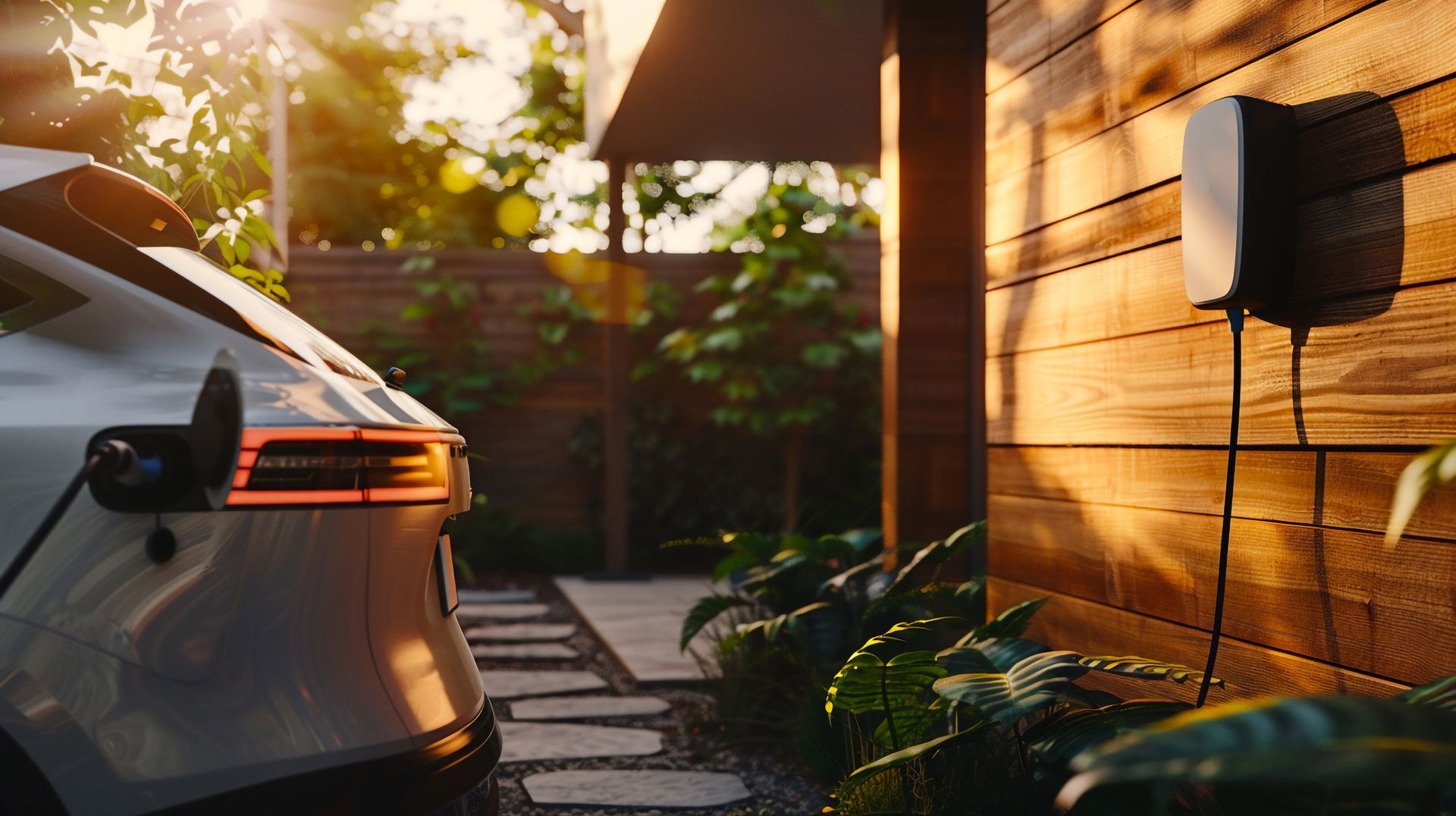
At EDGElectric, installation is approached as a structured electrical enhancement designed to integrate seamlessly with residential power systems while meeting local inspection standards and coastal environmental demands. Careful load calculations, durable materials, and disciplined workmanship ensure dependable performance long after installation day.
Frequently Asked Questions
What type of EV charger is best for residential use?
Most homeowners benefit from a Level 2 charger operating on a 240-volt circuit. It provides significantly faster charging compared to standard outlets. Proper sizing depends on vehicle specifications and panel capacity. Installation planning includes load calculations to determine the most efficient and safe charging configuration.
Does installing an EV charger require a panel upgrade?
Not always. A panel upgrade depends on available amperage and existing household electrical demand. A professional load assessment determines whether the current panel can support additional capacity. If upgrades are required, they are completed before charger installation to maintain safety and code compliance.
How long does EV charger installation typically take?
Most residential installations are completed within one day. However, additional time may be required for panel upgrades, trenching, or permitting approvals. Preparation includes electrical assessment, mounting location planning, and system testing to ensure reliable long-term performance after installation.
Can an EV charger be installed outdoors?
Yes, chargers can be installed outdoors when weather-resistant equipment and proper sealing methods are used. Protective enclosures, corrosion-resistant materials, and secure conduit routing maintain safety and durability. Installation planning considers moisture exposure, sunlight, and accessibility to ensure long-term operation.
Are permits required for EV charger installation in Wilmington?
In most cases, yes. Local building departments require permits for new 240-volt circuits and panel modifications. At EDGElectric in Wilmington, North Carolina, we ensure installations meet code requirements and are prepared for inspection approval before system activation. Proper permitting protects safety and resale documentation.
Will a home EV charger increase electricity bills significantly?
Charging increases electricity consumption, but costs are typically lower than gasoline expenses. Usage depends on driving habits and vehicle efficiency. Many homeowners schedule charging during off-peak hours to manage costs effectively. Smart charger settings can optimize energy consumption and improve efficiency.
Can multiple EV chargers be installed at one property?
Yes, multiple chargers can be installed if electrical capacity allows. Panel load calculations determine available amperage and circuit configuration. In Wilmington, North Carolina, EDGElectric evaluates infrastructure readiness before installing additional charging units to maintain system balance and prevent overload risks.
What maintenance does a home EV charger require?
EV chargers require minimal maintenance. Periodic inspection of wiring connections, mounting stability, and enclosure integrity ensures continued safe operation. Cleaning debris and verifying secure conduit fittings help extend equipment lifespan and maintain consistent charging performance throughout the year.
What our customers have to say...
Testimonials