
Smoke & Carbon Monoxide Detector Installation in Wilmington & Jacksonville, North Carolina
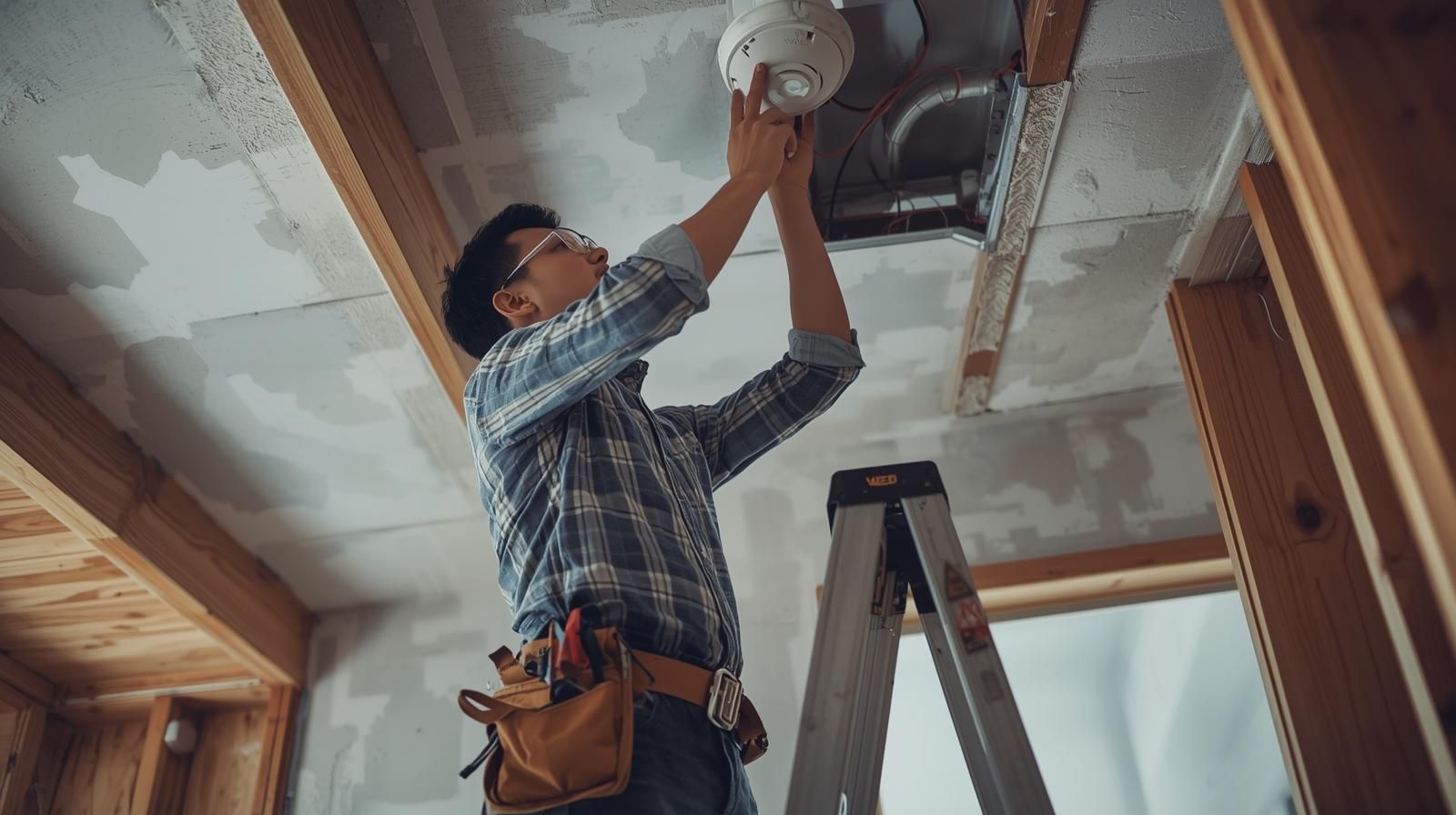
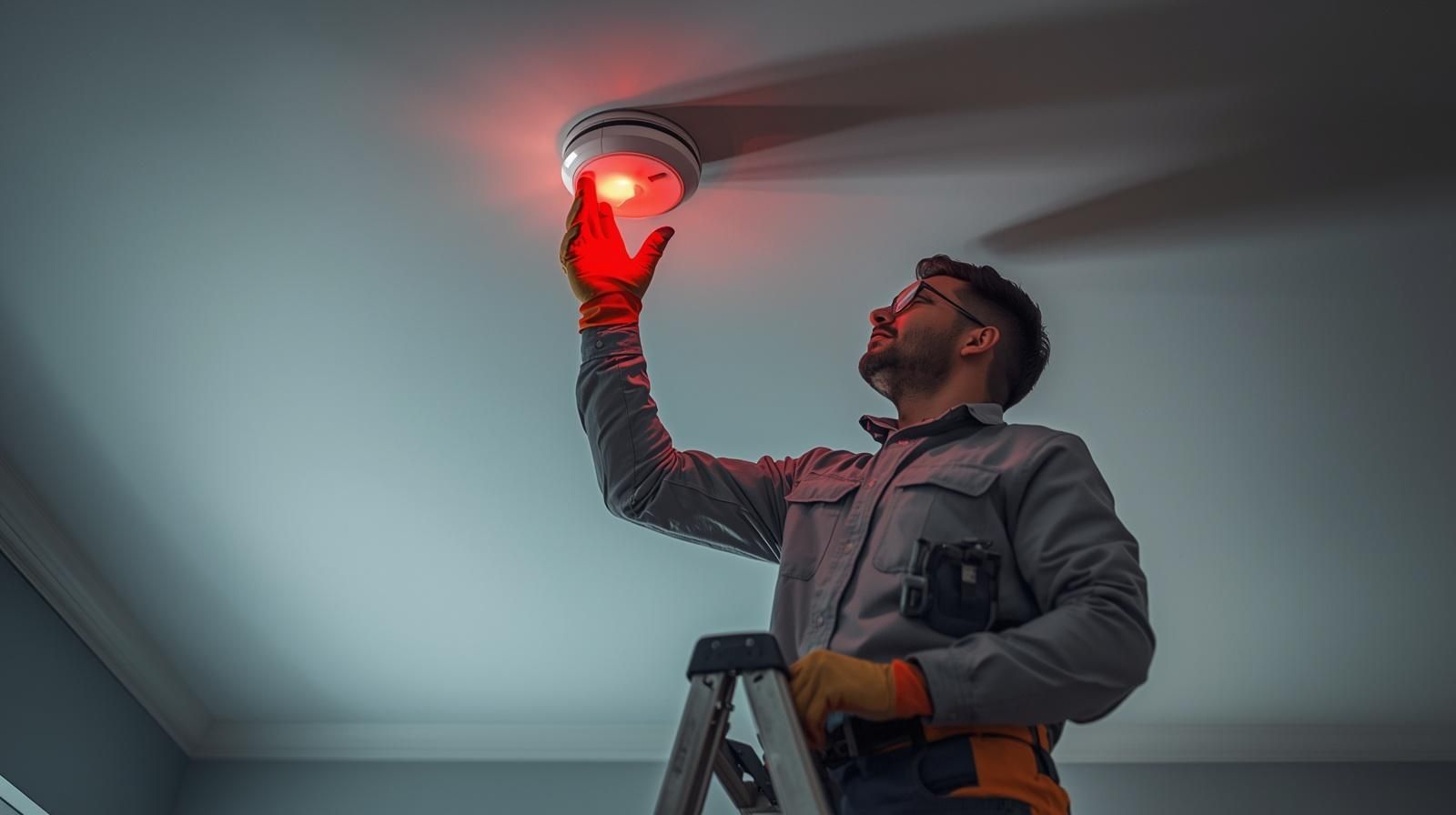
Advanced Life-Safety Protection Designed for Coastal Homes
Safety inside a home should never depend on chance. Fire and carbon monoxide hazards develop silently, often without visible warning, making early detection essential for protecting families and preserving property. At EDGElectric, we approach smoke and carbon monoxide detector installation as a precision life-safety service, not a basic add-on. With more than 11 years of residential electrical experience, we install interconnected detection systems designed to respond instantly, sound clearly, and function reliably under real-world conditions.
From proper device placement to secure wiring and calibrated testing, every detail matters. A professionally installed detection system can mean the difference between rapid evacuation and preventable loss.
We serve Wilmington & Jacksonville, North Carolina, along with nearby communities such as Leland, Carolina Beach, Wrightsville Beach, Hampstead, Castle Hayne, and Ogden. Homes across New Hanover County face specific risks related to humidity, seasonal storms, electrical surges, and fuel-burning appliances. Coastal air and fluctuating temperatures can affect device longevity and battery performance. Our installations account for these regional conditions, ensuring detectors operate consistently in both historic downtown Wilmington properties and newer developments throughout the surrounding coastal region.
Modern building codes and insurance standards increasingly require interconnected, code-compliant smoke and carbon monoxide detection systems. Whether upgrading outdated battery-only alarms or installing a complete system in a newly constructed residence, our team designs solutions tailored to the layout and electrical infrastructure of each home. Protection should be proactive, not reactive. With careful planning, proper placement, and thorough testing, a professionally installed detection system strengthens household safety and delivers measurable peace of mind.
Our Smoke & Carbon Monoxide Detection Services
New Construction Detector Installation
Complete installation of hardwired smoke and carbon monoxide detectors during residential construction ensures seamless integration with primary electrical infrastructure. Strategic pre-wiring, code-compliant spacing, and full system synchronization testing establish a reliable safety network prepared for occupancy, eliminating future retrofitting challenges and ensuring long-term operational stability.
Detector System Upgrades
Upgrading outdated or standalone battery alarms to modern interconnected detection systems enhances reliability, response speed, and regulatory compliance. Service includes careful removal of aging units, circuit evaluation, necessary wiring modifications, and comprehensive testing to confirm synchronized alarm activation throughout the entire residential property.
Carbon Monoxide Detector Integration
Installation of dedicated carbon monoxide detectors near bedrooms and fuel-burning equipment significantly improves indoor air protection. Proper height placement, manufacturer-guided calibration, and verification testing ensure accurate sensing of invisible gas leaks, reducing serious health risks associated with undetected carbon monoxide accumulation.
Interconnected Alarm Configuration
Wired or wireless interconnected alarm configuration enables simultaneous activation across all devices when a single unit detects smoke or gas. Signal pairing, communication testing, and electrical load verification ensure consistent coordination between alarms, strengthening whole-home awareness during emergencies in multi-level residential environments.
Detector Relocation and Rewiring
Relocating improperly positioned detectors improves sensitivity while minimizing nuisance alerts caused by steam, airflow, or cooking particles. Rewiring services correct loose terminations, outdated circuits, and remodeling disruptions, restoring dependable electrical connections that support accurate smoke and carbon monoxide detection performance.
Safety Inspection and Functional Testing
Detailed inspection and functional testing confirm system reliability and compliance with manufacturer standards. Service includes voltage analysis, sensor response validation, alarm decibel verification, interconnection testing, and battery backup assessment to ensure detectors operate accurately under simulated emergency conditions.
Benefits Of Professional Smoke & Carbon Monoxide Detector Installation
Early Hazard Detection
Professionally installed detectors deliver immediate alerts at the first indication of smoke or carbon monoxide. Interconnected systems trigger simultaneous alarms throughout the residence, shortening response time and improving evacuation safety, particularly during nighttime hours when occupants may be asleep or separated across multiple rooms.
Code-Compliant Installation
Installation aligned with current electrical and residential safety codes ensures adherence to national and regional standards. Accurate device placement, secure wiring, and proper interconnection support regulatory compliance, strengthen insurance documentation, and reduce liability risks associated with improperly installed or outdated detection systems.
Reliable Interconnection Technology
Hardwired and wireless interconnected systems create synchronized alerts across all installed devices. When one alarm detects smoke or gas, every unit activates immediately. This coordinated response significantly improves awareness in larger or multi-level homes where standalone alarms may not be heard.
Reduced False Alarms
Strategic detector positioning away from kitchens, bathrooms, and ventilation sources minimizes nuisance alerts caused by steam or cooking fumes. Proper configuration maintains sensitivity to genuine hazards while reducing repeated false alarms that often lead occupants to disable essential safety equipment.
Enhanced Property Protection
Early warning systems help limit structural damage by alerting occupants before fire conditions intensify. Prompt smoke and carbon monoxide detection reduces exposure risks, supports faster emergency response, and lowers long-term repair costs associated with delayed hazard recognition.
Long-Term System Durability
Professional installation considers electrical load balance, environmental conditions, and device longevity. Secure mounting, stable wiring connections, and appropriate equipment selection promote dependable operation over time, minimizing premature device failure and reducing the need for frequent maintenance interruptions.
Ensure Continuous Protection with Properly Installed Detection Devices
A properly installed smoke and carbon monoxide detection system stands as one of the most critical safeguards within any residence. From early hazard alerts to code-compliant electrical integration, these systems serve as silent protectors operating around the clock. At EDGElectric, installation is approached with disciplined workmanship, thorough testing, and regional awareness tailored to Wilmington & Jacksonville, North Carolina’s coastal environment. Modern interconnected alarms deliver synchronized warnings that strengthen evacuation response and limit preventable damage.
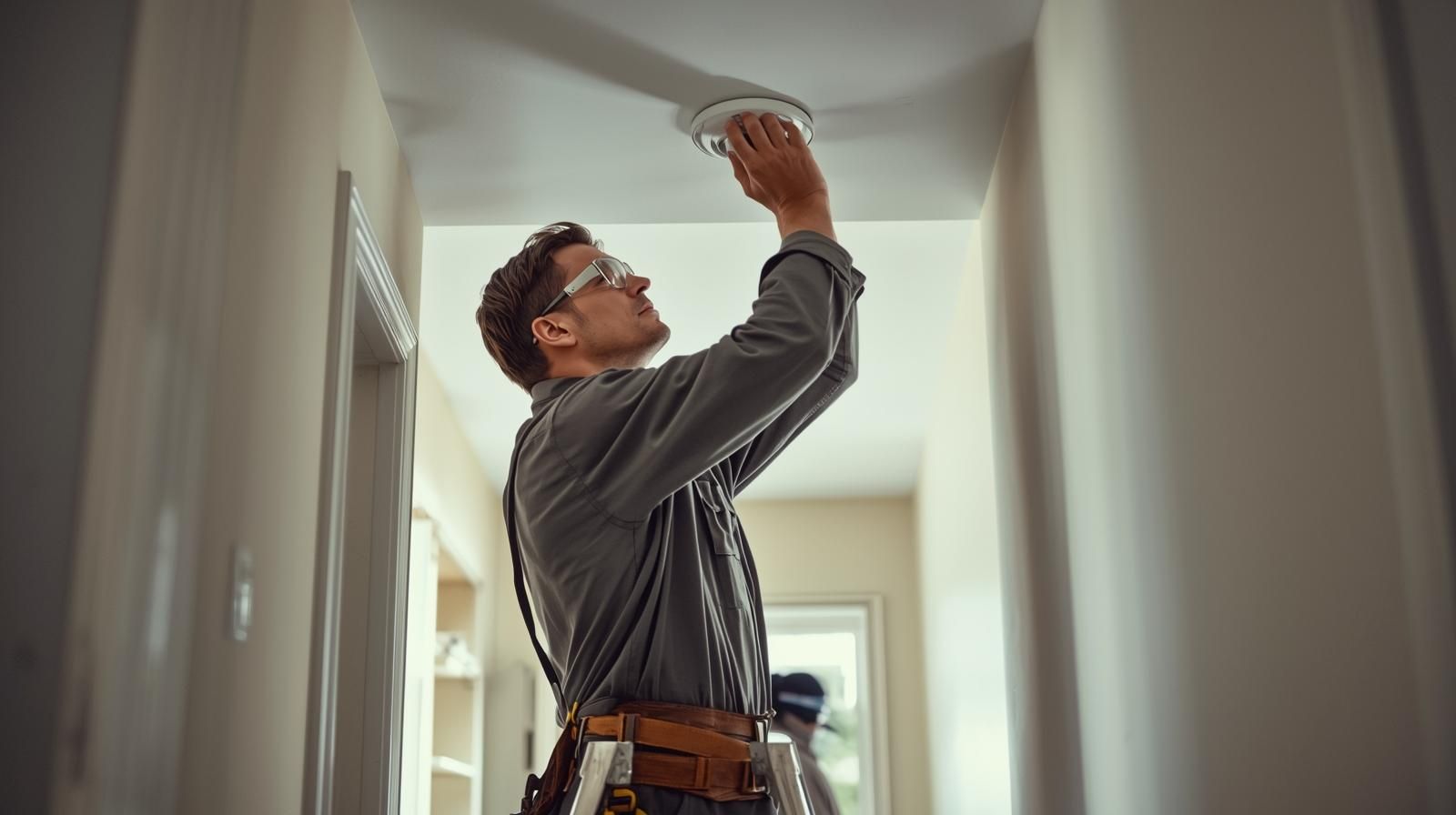
Whether upgrading outdated devices or integrating protection into a new construction project, proactive planning ensures reliable performance long into the future. Electrical precision, strategic placement, and routine inspection form the foundation of dependable life-safety protection. Investing in professional installation today reinforces household security, supports compliance standards, and creates measurable confidence that your home remains prepared for unexpected emergencies.
Frequently Asked Questions
How often should smoke detectors be replaced?
Most smoke detectors should be replaced every ten years from the manufacture date. Sensors gradually lose sensitivity, reducing detection accuracy over time. Even if devices appear functional, aging components may not respond effectively during emergencies. Checking manufacture labels and scheduling timely replacements ensures dependable performance and sustained household safety protection.
Where should carbon monoxide detectors be installed?
Carbon monoxide detectors should be installed outside sleeping areas and near fuel-burning appliances such as furnaces, water heaters, and fireplaces. Placement should avoid kitchens and bathrooms while remaining within manufacturer height recommendations. Proper positioning ensures accurate gas detection without interference from everyday household conditions.
Are hardwired detectors better than battery-only units?
Hardwired detectors with battery backup provide enhanced reliability because they draw consistent power from the home’s electrical system while maintaining operation during outages. Interconnected wiring also enables simultaneous alarms throughout the property, offering broader awareness compared to isolated battery-operated devices that function independently.
Can interconnected alarms be installed in older homes?
Yes, interconnected alarms can often be installed in older homes through hardwired retrofits or wireless interconnection technology. Electrical evaluation determines feasibility and ensures circuits can support additional devices. Modern wireless systems provide flexible alternatives when extensive rewiring is impractical.
What causes frequent false alarms?
False alarms often result from improper placement near kitchens, bathrooms, or HVAC vents where steam, dust, or cooking particles accumulate. Aging sensors and low batteries can also trigger nuisance alerts. Professional repositioning and replacement of outdated devices significantly reduce recurring disruptions.
How does professional installation improve safety?
Professional installation ensures code-compliant placement, secure wiring, and proper interconnection between devices. In Wilmington, North Carolina, EDGElectric installs detection systems designed to withstand coastal humidity and electrical fluctuations. Careful configuration enhances reliability and supports consistent performance across residential properties of varying sizes.
Do smoke and carbon monoxide detectors require regular testing?
Yes, detectors should be tested monthly using built-in test buttons and inspected annually for battery condition and expiration dates. Routine maintenance confirms operational readiness. In Wilmington, North Carolina, EDGElectric provides structured testing and inspection services to verify dependable life-safety system performance.
What is the difference between smoke and carbon monoxide detectors?
Smoke detectors sense airborne combustion particles from fires, while carbon monoxide detectors identify elevated levels of carbon monoxide gas. Both devices serve distinct safety functions and should be installed together to provide comprehensive protection against fire-related hazards and toxic gas exposure.
What our customers have to say...
Testimonials