
Electrical Safety Inspections in Wilmington & Jacksonville, North Carolina
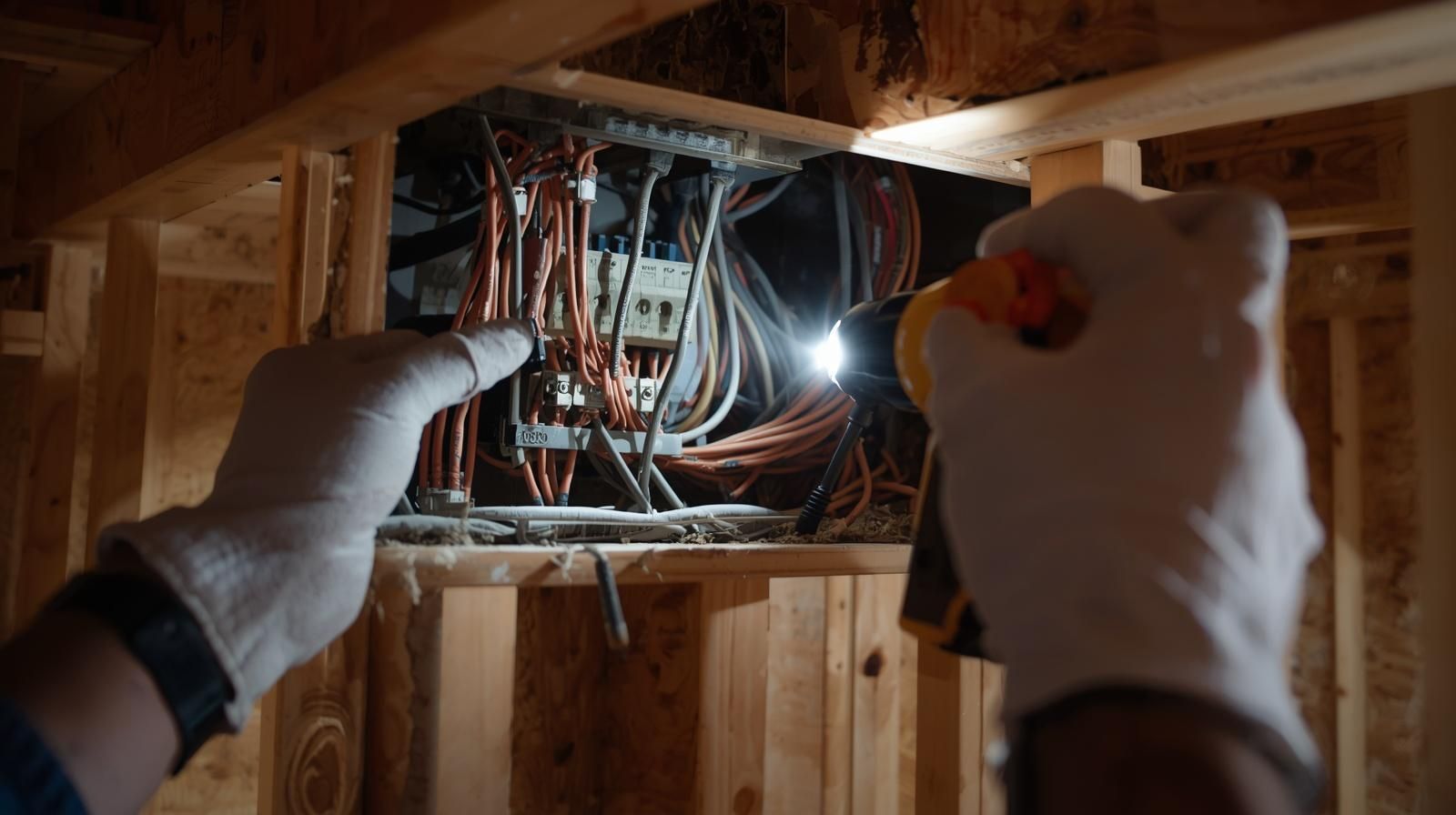
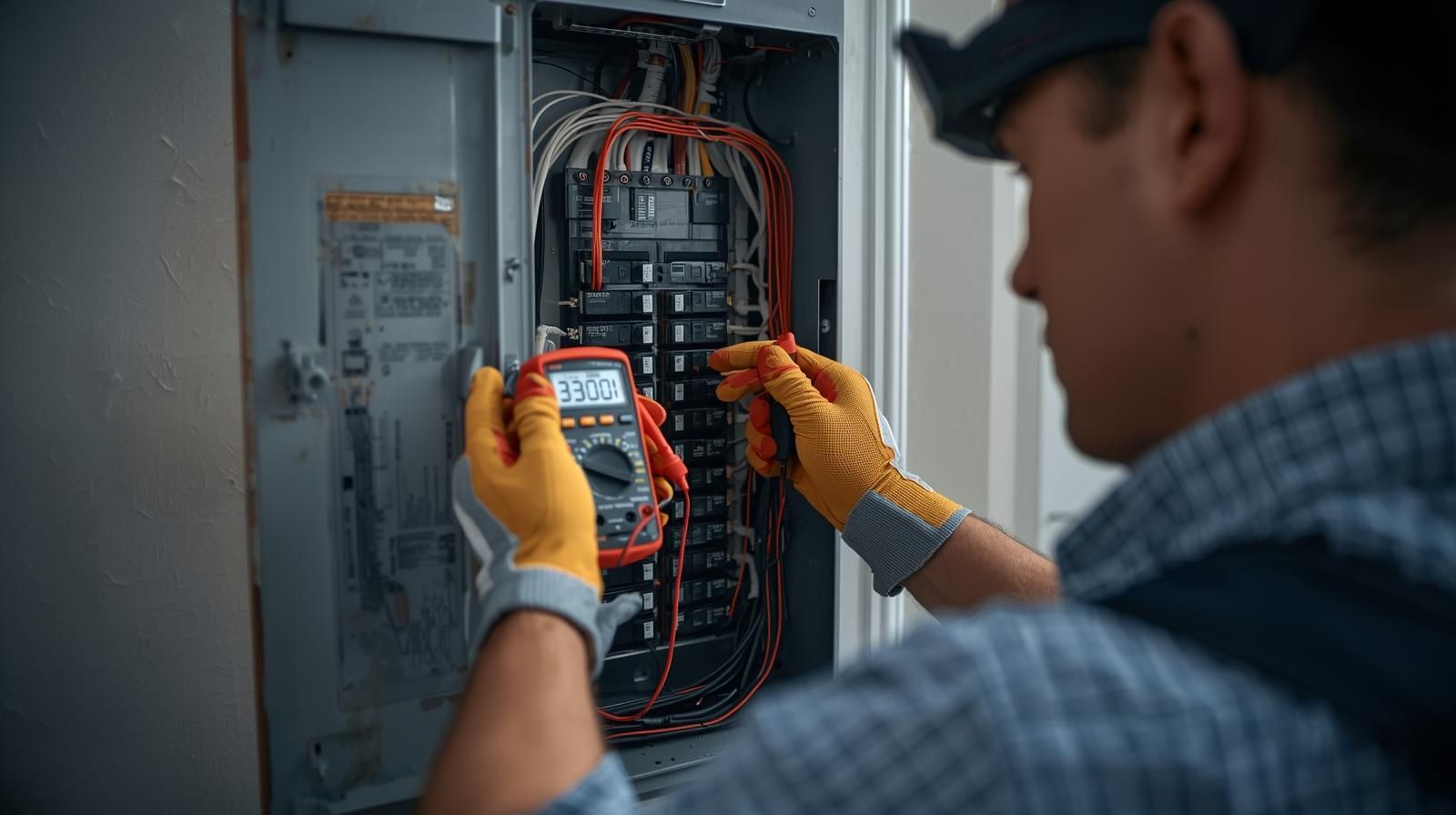
Hidden Electrical Risks Demand Thorough, Professional Evaluation
Electrical systems operate silently behind walls, ceilings, and panels, yet they power nearly every aspect of daily life. When wiring, breakers, outlets, or grounding systems deteriorate or become outdated, risks develop quietly. At EDGElectric, we approach electrical safety inspections with disciplined attention to detail, technical accuracy, and a prevention-first mindset. Our work is rooted in protecting homes from fire hazards, shock risks, and code violations that can compromise safety or insurance eligibility. Every inspection is structured, methodical, and informed by 11+ years of residential electrical contractor experience.
We serve Wilmington & Jacksonville, North Carolina, as well as surrounding communities including Leland, Carolina Beach, Wrightsville Beach, and Hampstead. Homes across New Hanover County experience coastal humidity, salt air exposure, and seasonal storms that place additional strain on electrical components. Older properties near historic districts require careful evaluation of legacy wiring, while newer developments demand verification of proper installation standards. Local climate conditions and regional construction styles influence how systems age, making routine inspection essential for long-term protection.
Our inspection process prioritizes clarity and measurable findings. We assess panels, circuits, grounding systems, outlets, surge protection, and visible wiring conditions using modern diagnostic tools and established safety benchmarks. Clear documentation, practical recommendations, and transparent reporting guide informed decisions without unnecessary upgrades. Electrical safety is not about guesswork; it is about disciplined evaluation, regulatory awareness, and responsible risk reduction designed to safeguard property and the people who live within it.
Our Electrical Safety Inspection Services
Electrical Panel Evaluation
Inspection includes detailed breaker condition assessment, accurate labeling verification, busbar integrity examination, and comprehensive load capacity review. Panels are carefully checked for corrosion, overheating indicators, improper modifications, loose connections, and outdated components that could compromise operational safety, performance reliability, or long-term electrical efficiency within the home.
Wiring and Circuit Analysis
Visible wiring, accessible junctions, and circuit configurations are thoroughly evaluated for insulation deterioration, improper splicing methods, outdated conductor materials, and evidence of circuit overloading. Load distribution is carefully reviewed to confirm that each circuit operates within safe electrical capacity and performance thresholds.
Grounding and Bonding Inspection
Proper grounding and bonding prevent shock hazards and safeguard sensitive appliances from voltage instability. Inspections verify grounding electrode connections, bonding continuity, conductor sizing, and compliance with modern safety standards to ensure protective pathways operate effectively under both normal and fault conditions.
Outlet and Switch Testing
Receptacles and switches are tested for correct polarity, grounding continuity, secure mounting, and visible physical damage. GFCI and AFCI protection devices are evaluated to confirm proper trip response, reset functionality, and adequate safety coverage in kitchens, bathrooms, garages, and other higher-risk areas.
Surge Protection Assessment
Whole-home and point-of-use surge protection systems are reviewed for installation quality, device rating accuracy, grounding integration, and operational readiness. Inspections identify vulnerabilities related to lightning exposure, utility voltage fluctuations, and internal electrical surges that may damage electronics or appliances.
Exterior and Environmental Exposure Review
Outdoor wiring systems, service entrances, meter bases, and exposed conduits are evaluated for moisture intrusion, corrosion development, UV damage, and improper sealing. Environmental exposure factors, including humidity and severe weather conditions, are considered when assessing material durability and long-term protective performance.
Benefits of Professional Electrical Safety Inspections
Reduced Fire Risk
Electrical malfunctions remain a leading cause of residential fires. Comprehensive inspections identify overloaded circuits, deteriorated wiring, loose connections, and panel deficiencies before they escalate into dangerous heat buildup or sparks. Early detection significantly reduces the likelihood of structural damage and protects occupants from preventable emergencies.
Code Compliance Assurance
Electrical codes evolve to reflect modern safety standards and technological advancements. Inspections verify that installations meet current regulations and identify outdated configurations requiring correction. Compliance protects homeowners during property transactions, renovations, insurance reviews, and municipal permitting processes without costly last-minute modifications.
Improved System Reliability
Minor electrical faults often cause flickering lights, tripped breakers, or inconsistent appliance performance. Detailed evaluations pinpoint inefficiencies and unstable connections that affect reliability. Addressing these issues enhances performance stability, reduces unexpected outages, and supports consistent daily functionality throughout the home.
Enhanced Insurance Eligibility
Insurance providers frequently require documentation of safe electrical conditions, especially for older homes. Inspection reports demonstrate proactive risk management and responsible maintenance. Verified system integrity can simplify underwriting processes and prevent claim complications related to undocumented electrical deficiencies.
Long-Term Cost Prevention
Correcting small deficiencies costs significantly less than repairing extensive fire or electrical damage. Inspections uncover minor wear, aging components, and emerging hazards before they demand major repairs. Preventative evaluation preserves property value and supports predictable maintenance planning.
Increased Home Resale Value
Buyers prioritize safety and documented maintenance. A professional electrical inspection report signals transparency and responsible ownership. Verified system integrity reduces negotiation concerns, builds buyer confidence, and strengthens overall property marketability during listing and closing processes.
Gain Peace of Mind with a Complete Safety Assessment
Electrical systems rarely demand attention until failure occurs, yet waiting invites unnecessary risk. Thoughtful inspection represents foresight, not reaction. At EDGElectric, safety inspections are designed to illuminate hidden vulnerabilities, reinforce structural confidence, and support informed long-term maintenance. Homes throughout Wilmington & Jacksonville, North Carolina, and neighboring coastal communities such as Leland, Wrightsville Beach, Carolina Beach, and Hampstead deserve electrical systems that meet modern standards and withstand regional environmental stress, including humidity and seasonal storms.
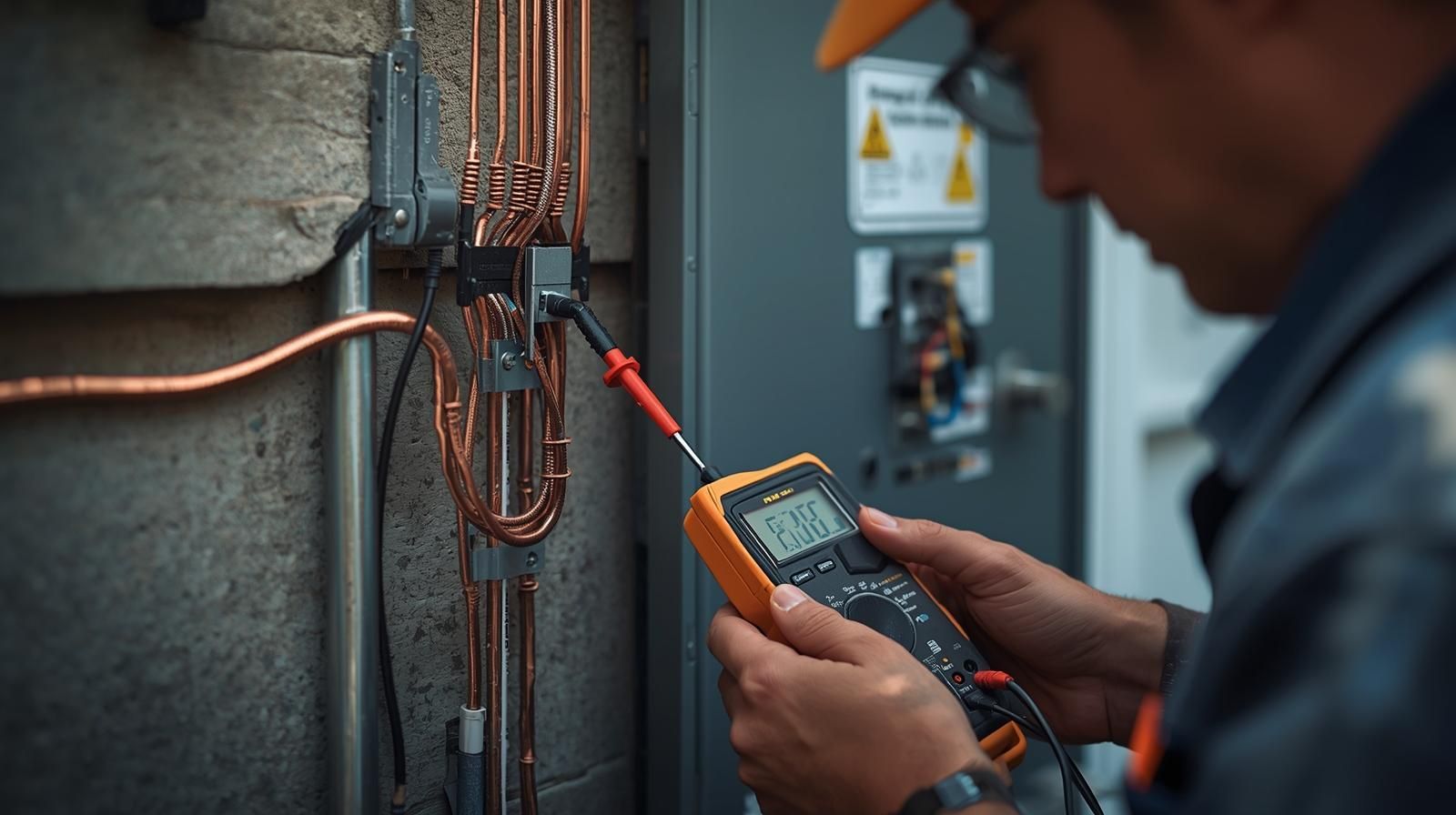
Our disciplined process prioritizes prevention, measurable evaluation, and practical solutions grounded in 11+ years of residential expertise. When wiring, panels, grounding systems, and protective devices are carefully reviewed and documented, homeowners gain clarity rather than uncertainty.
Frequently Asked Questions
How often should a residential electrical safety inspection be performed?
Homes should undergo professional electrical safety inspections every three to five years, or sooner for older properties exceeding twenty-five years of age. Inspections are also recommended before purchasing a home, after major renovations, or following storm damage to ensure system stability and compliance with current safety standards.
What signs indicate a need for immediate inspection?
Frequent breaker trips, burning odors, buzzing outlets, flickering lights, warm switch plates, and unexplained power fluctuations require prompt evaluation. These symptoms may indicate overloaded circuits, deteriorated wiring, or panel faults that could escalate into fire hazards if ignored.
Do inspections require opening walls or causing damage?
Standard safety inspections focus on accessible components such as panels, outlets, visible wiring, and grounding systems. No structural damage is required during routine evaluations. If concealed issues are suspected, recommendations are provided before any invasive diagnostic steps occur.
Are inspections necessary for newly constructed homes?
Even new construction benefits from independent safety verification. Installation errors, overlooked bonding connections, or misconfigured breakers can occur despite permitting processes. A structured inspection confirms workmanship quality and code alignment before occupancy.
Can inspections help reduce energy inefficiency?
Yes. While primarily focused on safety, inspections often identify overloaded circuits, loose connections, or aging components that contribute to inefficient power distribution. Addressing these issues improves performance consistency and supports stable electrical delivery.
Is documentation provided after the inspection?
Yes. Detailed written reports outline findings, observed deficiencies, and prioritized recommendations. Clear documentation supports maintenance planning, insurance requirements, and informed decision-making without ambiguity.
Why choose EDGElectric in Wilmington, North Carolina for inspections?
At EDGElectric in Wilmington, North Carolina, inspections are conducted using disciplined evaluation standards developed through 11+ years of residential experience. Our structured reporting, code familiarity, and regionally informed expertise ensure comprehensive assessments tailored to coastal environmental conditions and modern safety expectations.
Do inspections support real estate transactions in Wilmington?
Yes. Buyers and sellers often rely on formal inspection documentation to verify electrical integrity. EDGElectric in Wilmington, North Carolina provides structured reports that clarify system condition, reducing uncertainty during negotiations and supporting smoother property transitions within competitive local markets.
What our customers have to say...
Testimonials