Hurricane Season Power Outages? Standby vs. Portable Generators Explained
July 31, 2026
QUICK ANSWER: A standby generator is permanently installed, runs on natural gas or propane, and switches on automatically within seconds of a utility outage, making it the stronger choice for the multi-day blackouts that follow hurricanes. A portable generator costs less upfront, runs on gasoline or propane you supply, and must be started, fueled, and connected by hand every time the power drops. Standby units typically produce 8,000 to 22,000 watts and can carry most or all of a home's circuits, while portable units range from about 2,500 to 8,500 watts and are sized to cover a handful of essentials like the refrigerator, a few lights, and a sump pump. The right pick usually comes down to how often your power fails, how long those outages tend to last, and whether you're willing to manage a generator by hand during a storm.
Your power goes out around hour three of the storm, right after the wind starts driving rain sideways past the windows. Somewhere along the Cape Fear River the sky has gone the color of wet concrete, the lights flicker twice, and then the house goes quiet. For homeowners across Wilmington, Jacksonville, and the barrier islands, that sequence is familiar. Duke Energy crews can't always reach downed lines until roads clear, and a summer tropical system can leave a neighborhood without grid power for two, three, even five days. What keeps the refrigerator running and the sump pump working during that stretch usually comes down to a decision made months earlier: standby generator or portable generator.
Before comparing the two, one rule matters more than any spec sheet. The instant utility power fails, treat every outlet and circuit in the house as unpredictable. Downed lines can re-energize without warning when crews start restoring service. Flooded outlets and panels shouldn't be touched with wet hands or bare feet. And a generator connected the wrong way can push power backward into the grid and injure a lineworker blocks away. If you smell gas, see standing water near your electrical panel, or notice sparking anywhere in the system, shut off power at the main breaker if it's safe to reach, then call a licensed electrician before doing anything else.
What Happens to Your Home's Electrical System When the Grid Goes Down
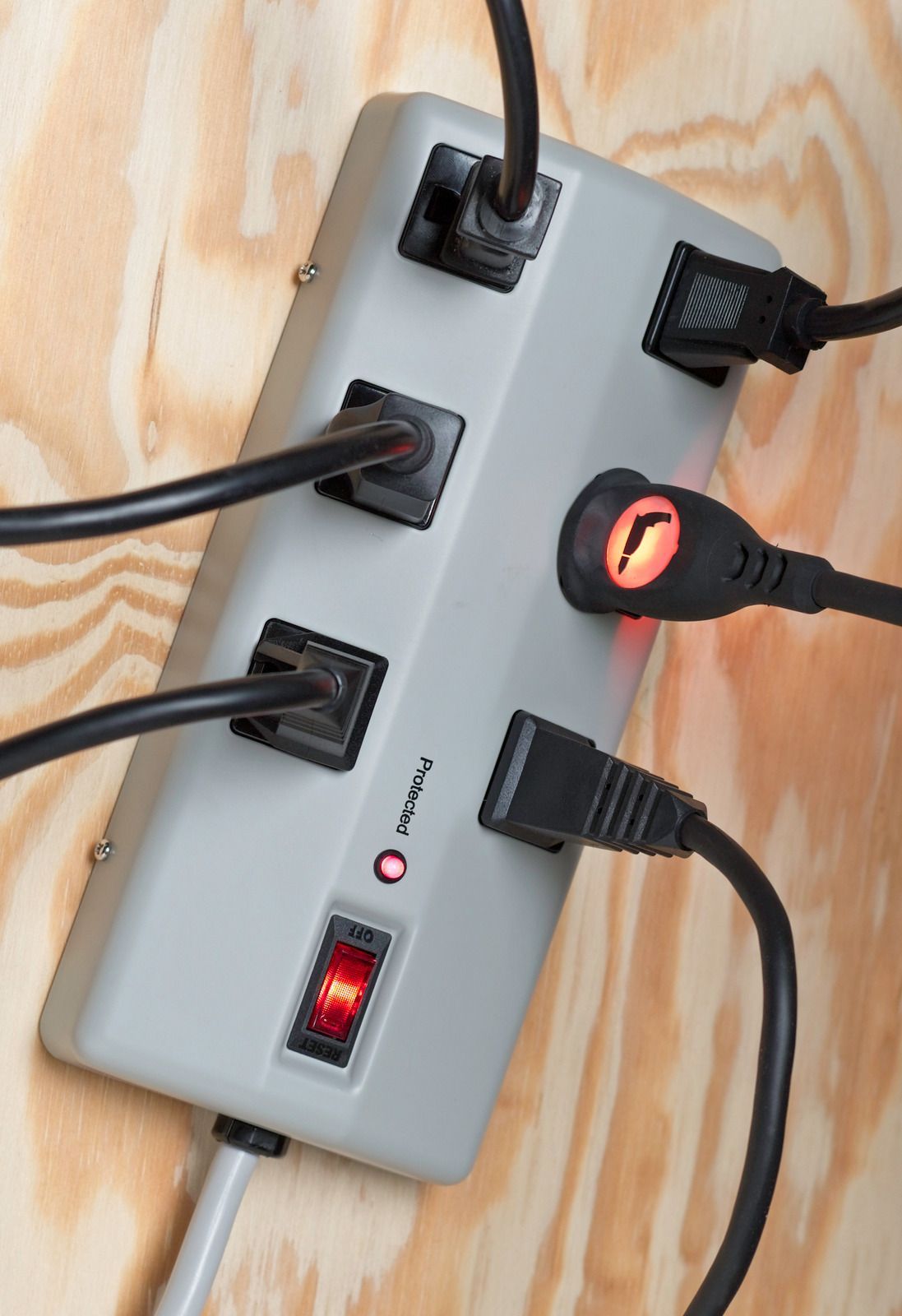
Losing utility power changes how your entire electrical system behaves, not just whether the lights work. Your panel stops receiving incoming voltage, but the wiring inside your walls doesn't know that. Plug a generator directly into an outlet, or wire one into the panel without a proper transfer switch, and electricity can flow backward through your home's wiring and out onto the utility lines feeding your street. That's called backfeeding, and it's one of the most dangerous mistakes a homeowner can make during a storm.
Backfeeding puts utility workers at risk. Line crews expect a dead circuit when they're repairing storm damage. A backfed generator can re-energize a line they believe is safe.
It can destroy your generator and your home's wiring. Without a transfer switch isolating your system from the grid, the moment utility power returns, it collides with your generator's output. Both can get fried in that instant.
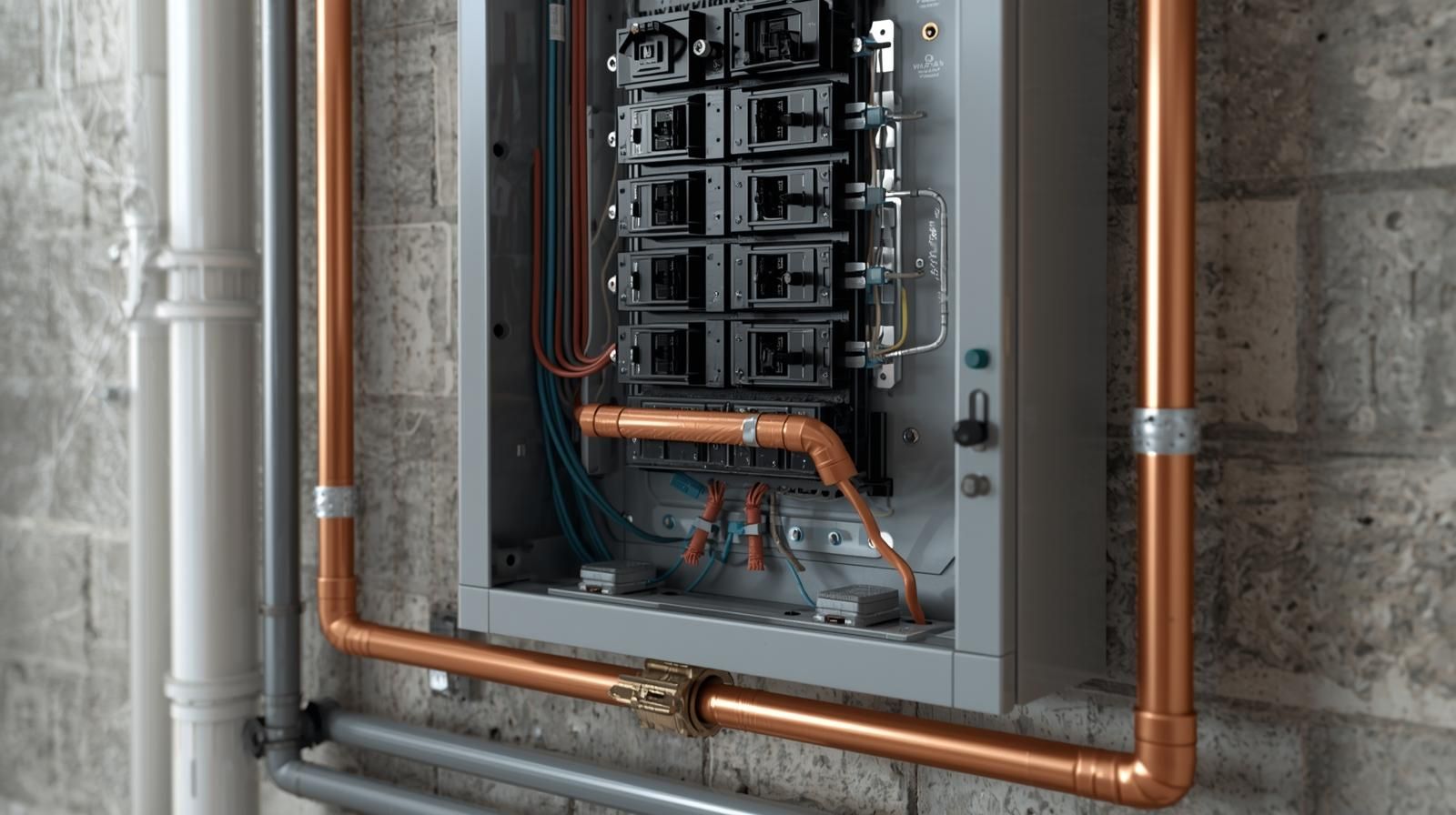
That's the whole reason every generator setup needs a transfer switch, portable or standby. It physically isolates your home's wiring from the utility grid before generator power ever reaches your circuits, whether that switch gets thrown by hand or trips automatically.
Portable Generators: What They Handle Well and Where They Fall Short
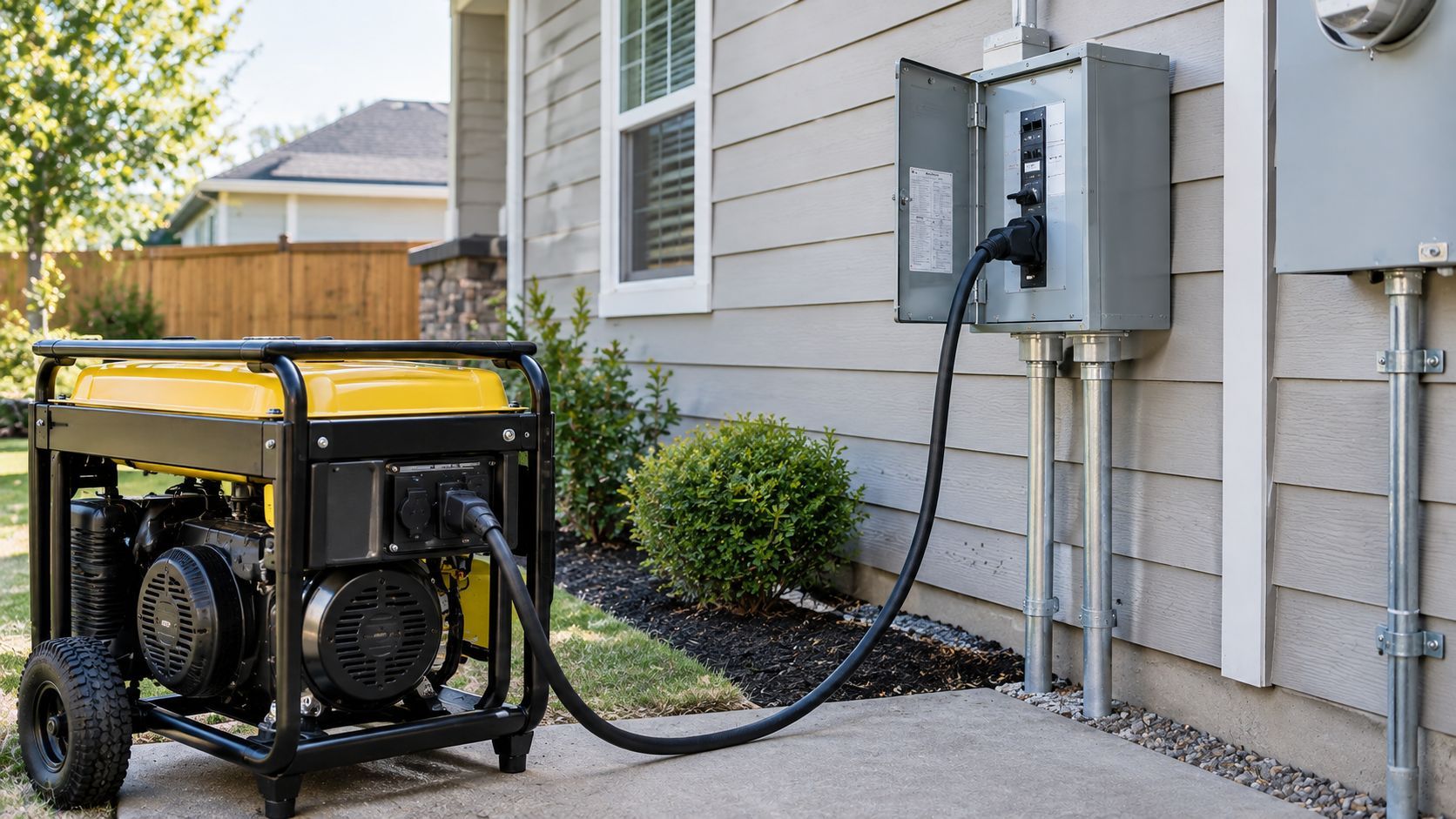
A portable generator is a gas- or propane-powered engine on wheels, stored in a garage or shed until the power drops and you roll it outside. It's the generator most homeowners buy first. Costs less. No construction involved.
Power output. Most portable units for home use fall between roughly 2,500 and 8,500 watts. That covers a refrigerator, some lighting, a window AC unit, and a sump pump — not a home's HVAC system, an electric water heater, and full lighting running at the same time. You'll be choosing which circuits matter most during the outage instead of running everything.
Fuel demands. A portable generator running near full load can burn through 12 to 20 gallons of gasoline a day. After a hurricane, gas stations are often closed or have hours-long lines, so the generator sitting in your garage is only as useful as the fuel you stored ahead of time. Some newer portable models run on propane, or both fuels, which stores longer and doesn't degrade in the tank the way gasoline does.
Manual everything. You start it. You refuel it. You keep an eye on it. If the outage hits overnight or while you're at work, the generator isn't producing anything until someone physically gets out there and gets it running.
Placement is where portable generators get genuinely dangerous if handled carelessly. They produce carbon monoxide, an odorless gas that can kill in minutes at high concentrations. A portable generator should always run outdoors, well away from windows, doors, vents, and attached garages — even with the garage door propped open. Opening a window or aiming a box fan at it does not make it safe to run closer to the house.
WARNING: Never run a portable generator inside a home, garage, carport, breezeway, or crawlspace — even briefly, even with doors and windows open. Carbon monoxide from a generator can reach dangerous levels in an enclosed or semi-enclosed space in minutes, and it's undetectable without a working CO alarm. Keep the unit at least 20 feet from the house with the exhaust pointed away from doors, windows, and air intakes, and install battery-backed CO detectors on every level of the home.
Standby Generators: Automatic Backup Without the Storm-Night Scramble
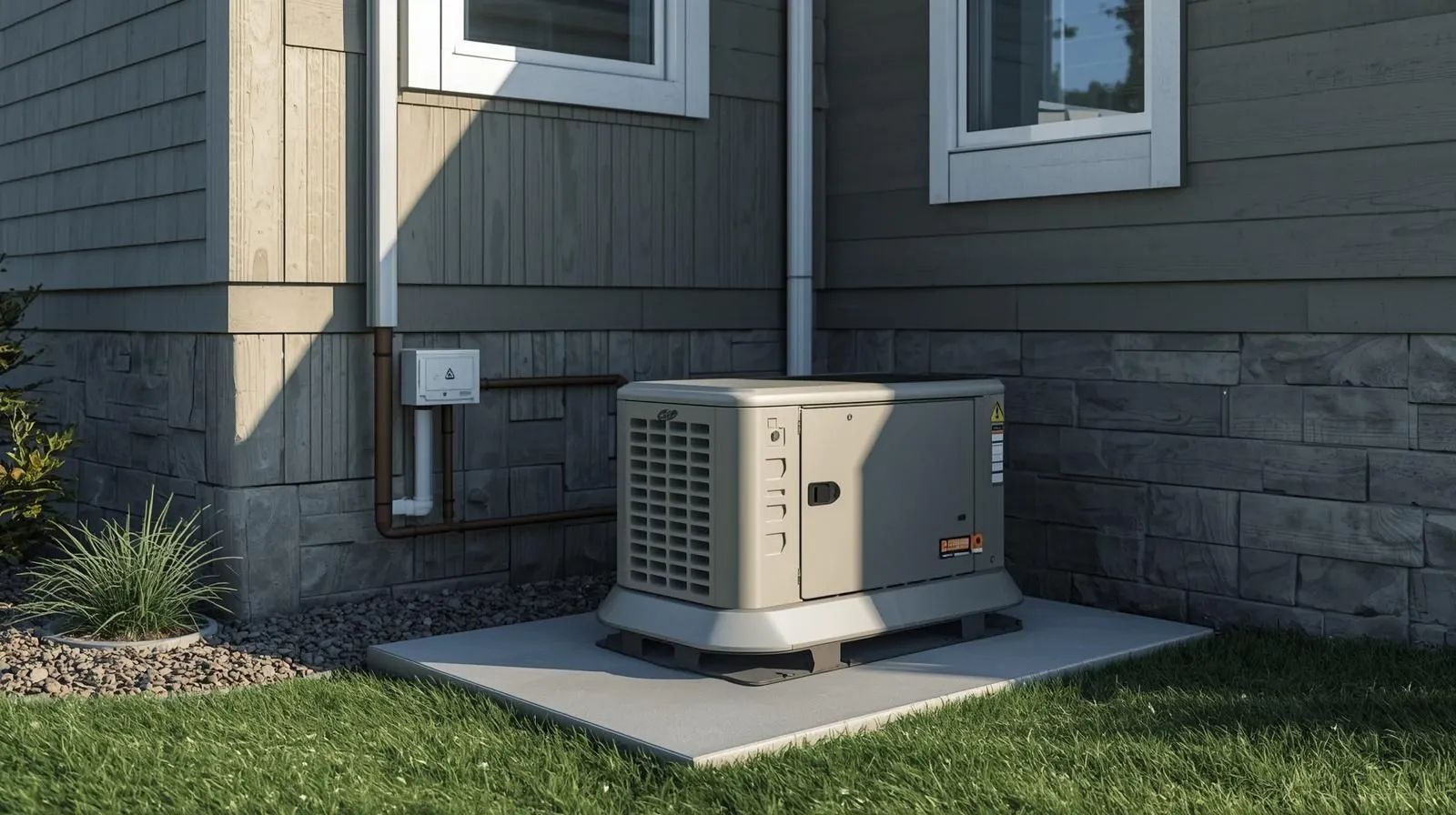
A standby generator sits on a permanent pad outside the home, wired directly into the electrical system through an automatic transfer switch, fueled by a dedicated natural gas or propane line instead of gas cans stacked in the garage.
Automatic activation. The generator monitors incoming utility voltage around the clock. The moment it detects an outage, it starts itself, and the transfer switch shifts your home's load from the grid to the generator — usually within seconds. Nobody has to be home, awake, or willing to walk outside into 60 mph wind for it to work.
Higher, steadier output. Whole-home standby units generally run from about 8,000 to 22,000 watts, enough to carry HVAC, well pumps, an electric range, and full household lighting at once, depending on how the system's sized. Some homeowners choose a smaller unit paired with load management that automatically prioritizes essential circuits rather than trying to run everything.
Fuel that doesn't run out mid-storm. A unit tied to a natural gas line can run for as long as the outage lasts, drawing from the same feed as your stove or furnace. Propane-fueled systems run on a dedicated tank sized for extended operation, often good for days without a refill — which matters when a named storm knocks out power for a full workweek.
Most standby systems also run a short self-test on a set schedule, commonly weekly, so a mechanical problem shows up during a routine check instead of the first night of a real outage.
The tradeoff is upfront commitment. Sizing the unit correctly for your home's actual electrical demand, siting it on a stable, raised pad away from flood-prone low points, and connecting the fuel line and transfer switch all require licensed, code-compliant work. This isn't a weekend project, and it's not something to attempt solo.
Sizing and Placement Matter as Much as the Generator You Choose
An undersized generator, standby or portable, will trip its own breaker or stall out the moment too many appliances draw power at once. An oversized one wastes fuel on capacity you'll rarely touch. Sizing starts with a load calculation — adding up the running and starting wattage of the circuits you actually want backed up, from the refrigerator and a few lights to a well pump or medical equipment that has to stay on no matter what.
Essential-circuit sizing covers refrigeration, lighting, a sump pump, and communication devices, and it's the most common approach for portable and smaller standby systems. Whole-home sizing covers HVAC, electric water heaters, kitchen appliances, and every circuit in the panel at the same time, which requires a larger standby unit and a full load study of the home's service.
Placement along the Southeastern NC coast has to account for storm surge and flood-prone yards, not just noise and clearance from windows. A generator installed in a low spot can get knocked offline by the same flooding it's supposed to help you ride out. Salt air and humidity also speed up corrosion on unprotected electrical connections — one reason enclosures, conduit, and grounding hardware matter as much as the wattage rating on the box.
TIP: If hurricane season is the main reason you're considering a generator, have a licensed electrician run the load calculation before you buy anything. Sizing a unit around a spec sheet's marketing wattage instead of your home's actual circuits is one of the most common, and most expensive, generator mistakes homeowners make.
Manual vs. Automatic Transfer Switches
Every generator setup needs a transfer switch to isolate your home's wiring from the utility grid before generator power reaches any circuit. The two types work differently.
Manual transfer switches are common with portable generators. During an outage, you flip a set of breakers by hand to select which circuits draw from the generator instead of the grid. It's a deliberate, physical action every single time the power fails.
Automatic transfer switches come standard with standby systems. They detect the outage and switch the load over without anyone touching a breaker, then switch back once utility power stabilizes. Either type accomplishes the same safety goal — preventing backfeed — but a manual switch depends on someone being present and willing to act during the storm. An automatic switch works no matter if you're home, asleep, or already evacuated inland.
DIY-Safe Checks vs. When to Call a Pro
Some generator maintenance is fine to handle yourself. Testing that CO detectors have working batteries before hurricane season starts. Confirming a portable generator's fuel and oil levels before a storm arrives. Keeping the generator's storage area dry and its exhaust path clear of debris. Reading the manufacturer's manual for the starting and shutdown sequence, since every model differs slightly.
Other work belongs to a licensed electrician, full stop. Sizing a generator for your home's actual electrical load. Installing or repairing a transfer switch of any kind. Running a dedicated gas line or wiring a standby unit into your panel. Anything involving standing water near outlets, a panel, or a generator connection. Any burning smell, sparking, or breaker that won't reset after a storm passes.
If you're ever unsure whether something's safe to touch after a storm, treat it as unsafe until a professional says otherwise. That one habit prevents more injuries than any piece of equipment ever will.
Frequently Asked Questions
Can a portable generator power a whole house during a hurricane outage?
Generally, no. Most portable units top out around 8,500 watts, which covers a handful of essential circuits like refrigeration, lighting, and a sump pump — not simultaneous HVAC, water heating, and full household load. Whole-home coverage typically requires a standby generator sized through a proper load calculation.
How long can a standby generator run during an extended outage?
A standby generator connected to a natural gas line can run for as long as the outage lasts, drawing from the same utility feed as your furnace or stove. A propane-fueled standby system runs on a dedicated tank, often for several days, depending on tank size and household load.
Is it safe to run a portable generator in the garage with the door open?
No. Carbon monoxide can build to dangerous levels in a garage even with the door open, and it can drift into attached living space from there. Portable generators should run outdoors, at least 20 feet from the house, with exhaust directed away from windows, doors, and vents.
Do I need a transfer switch if I already own a generator?
Yes. Plugging a generator directly into an outlet, or wiring it into a panel without a transfer switch, risks backfeeding electricity into the grid — which can injure utility workers and damage your home's wiring. A manual or automatic transfer switch is a required safety component, not an optional upgrade.
What size generator does a coastal NC home need for hurricane season?
It depends on which circuits you want backed up and your home's total electrical demand. That's why a licensed electrician runs a load calculation rather than relying on a generator's advertised wattage. Homes with well pumps, medical equipment, or HVAC that has to stay on typically need a larger standby system than homes covering only refrigeration and lighting.
How does salt air affect a generator installed near the coast?
Salt-laden humidity speeds up corrosion on exposed metal, wiring connections, and enclosures faster than it would further inland. Proper conduit, sealed connections, corrosion-resistant hardware, and routine inspection help a coastal generator installation hold up through repeated storm seasons.
Preparing Before the Next Storm, Not During It
The same pattern repeats along the Carolina coast every hurricane season. A storm gets named, forecasts sharpen, and the search for backup power spikes days before landfall — right when installers are booked solid and portable units are sold out at every hardware store within fifty miles. I've seen it happen more than once: the homeowners who ride out extended outages with the least stress are the ones who made the standby-versus-portable decision, sized their system, and had it installed or serviced months earlier. Not the ones scrambling once a storm's already spinning in the Atlantic.
Whichever path fits your home, the safety fundamentals don't change. Keep generators outdoors and ventilated. Never bypass a transfer switch. Treat any downed line, flooded outlet, or burning smell as a reason to stop and call a professional.
Whether you're weighing a portable unit for essential circuits or ready to install an automatic standby system with a properly sized transfer switch, EDGElectric
brings more than 11
years of licensed residential and light-commercial experience to every storm-readiness project in Wilmington and the surrounding coastal communities. EDGElectric
handles the load calculations, grounding checks, and transfer switch installation your system needs to run safely through hurricane season, with a safety-first approach at every step. Book a generator or electrical safety assessment with EDGElectric
today and head into storm season with power you can count on.