How Power Surges Can Ruin Your Electronics—and How to Stop Them
June 26, 2026
You plug in your phone, glance at the microwave clock, and notice it is blinking again. The router needs another reset. Last week the television lost its picture for a second during a storm, and this morning the garage door opener acted like it forgot its settings. None of it feels like an emergency, so you keep moving. That slow drip of small glitches is usually the first real sign that surges are moving through your wiring and wearing down everything plugged into it.
Here is the part most people miss. The dramatic lightning strike gets all the blame, but the surges doing the real damage are small, frequent, and invisible. They ride in dozens of times a day, shaving life off your electronics one spike at a time. After years of opening panels and tracing scorched outlets in homes near the coast, we can tell you the fix is rarely a better power strip. It starts at your panel.
What a Power Surge Actually Does to Your Electronics
A power surge is a sudden jump in voltage above the steady 120 volts your outlets are supposed to deliver. Your electronics are built for that narrow band. Circuit boards, microchips, and power supplies inside a television or computer expect a clean, predictable flow and have very little tolerance for anything higher.
When voltage spikes, that extra energy pushes through tiny components, builds heat in milliseconds, and stresses chips and solder joints that were never built for it. A spike from a nearby lightning event can carry tens of thousands of volts and kill a device instantly. Far more common are the small surges of a few hundred volts that happen all day. Each does a little invisible damage, and over months those hits add up until a device that should last a decade fails years early.
What to Do the Moment the Lights Flicker
If you suspect a surge just hit your home, work through these steps in order.
- Unplug your most sensitive electronics first, starting with computers, televisions, and anything with a screen or stored data.
- Check whether the issue is happening on one circuit or the whole house. Note which rooms are affected.
- Look at any surge protector indicator lights. A dark or color changed light means that strip is spent.
- Walk to your panel and check for a tripped breaker, a buzzing sound, or any burnt smell near the box.
WARNING: If you smell burning plastic, see scorch marks around an outlet, or hear buzzing inside the panel, stop and call a professional immediately. A melted connection or damaged grounding path can energize surfaces you would never expect, and opening a hot panel without training risks serious shock or fire.
TIP: Keep a simple plug in voltage tester or a basic surge protector with a status light at your two or three most important devices. The moment that light changes, you have a free early warning that surges are reaching that circuit before your sensitive gear takes the hit.
What Is Really Causing the Surges in Your Home
Most surges start inside your own walls, not in the sky. Every time a large appliance with a motor cycles on or off, your air handler, refrigerator compressor, or air conditioner, it sends a small spike back through your wiring. In a busy household this happens dozens of times a day, and those internal surges are the slow, steady killers of electronics.
Storms are the second source. A strike does not need to hit your house to cause harm, since lightning landing on a line or the ground nearby can push a surge through utility wires straight into your panel. Utility events count too, and when power restores after an outage, voltage can jump for a moment as it settles.
Finally there is your own electrical health. Loose connections, undersized wiring, and weak grounding all let surges travel farther and hit harder than they should.
Why Homes Near the Coast Take a Harder Hit
Living near the water means your electronics face more surge pressure than homes farther inland. Summer here brings a heavy run of afternoon thunderstorms, and that lightning sends repeated spikes down the lines feeding your home.
Hurricane and tropical storm season adds another layer, with days of grid instability and repeated power restoration that make the voltage feeding your house bounce far more than usual. On top of that, salt air and high humidity slowly corrode the grounding rods that surge protection depends on. We frequently find grounding hardware on older coastal homes rusted to the point where it can no longer move surge energy into the earth, and even good equipment cannot do its job without it.
How We Find the Source
When we get called for devices failing too often, we start at the panel. A multimeter confirms whether the incoming voltage is steady or drifting, and we inspect the grounding system end to end, since a corroded ground is the most common finding on coastal service calls. On these calls we frequently find homeowners relying on a single power strip from years ago, its protection long since burned out, still trusted to guard a whole entertainment center.
How to Actually Stop Surges
Real protection works in layers, not with one device.
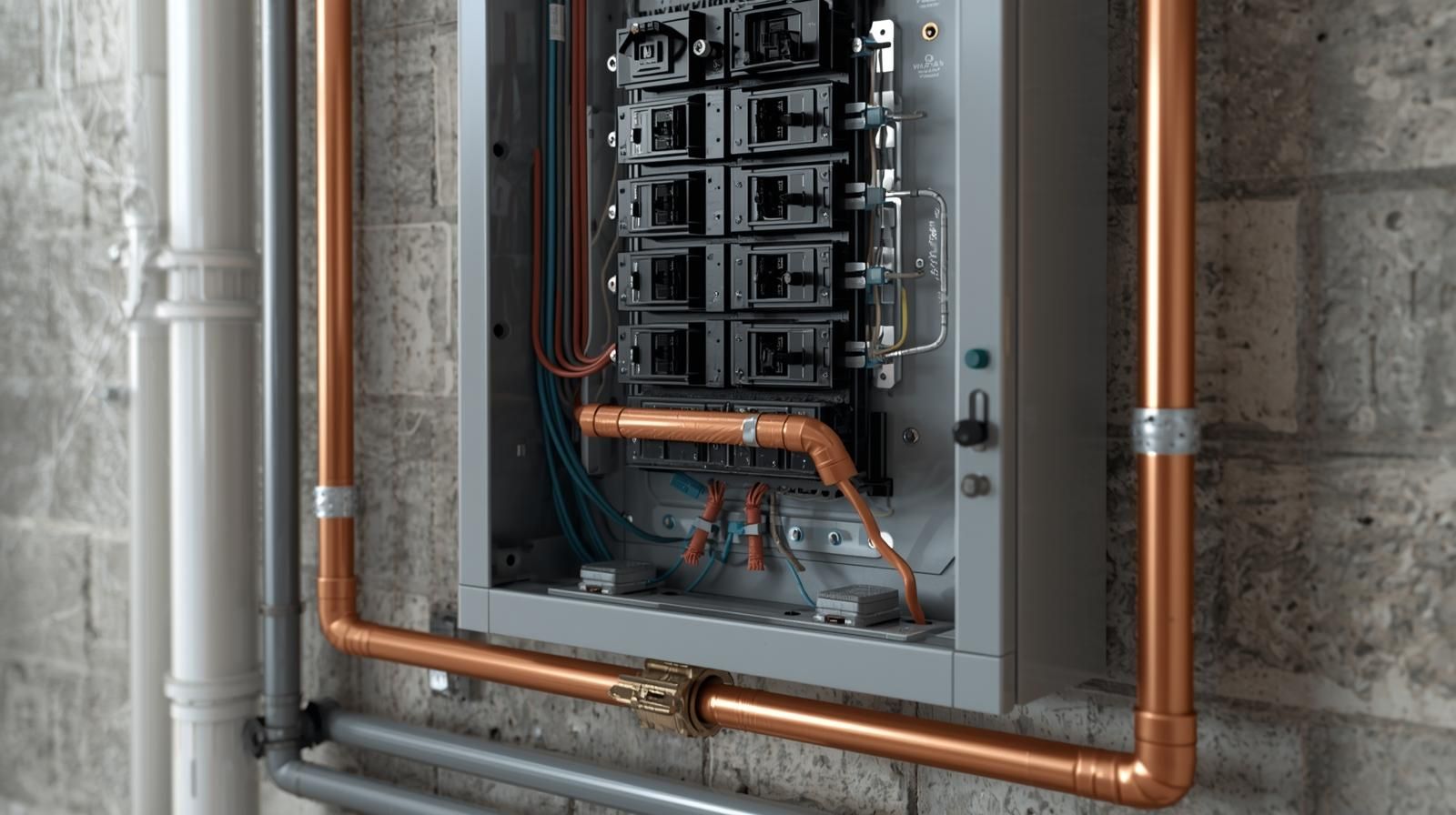
The foundation is a surge protective device installed at your main panel. Mounted where power enters the house, it catches large surges from lightning and the grid before they reach a single circuit. This is professional work, a quality unit typically lasts 7 to 10 years, and it protects your hardwired equipment, HVAC, and appliances all at once.
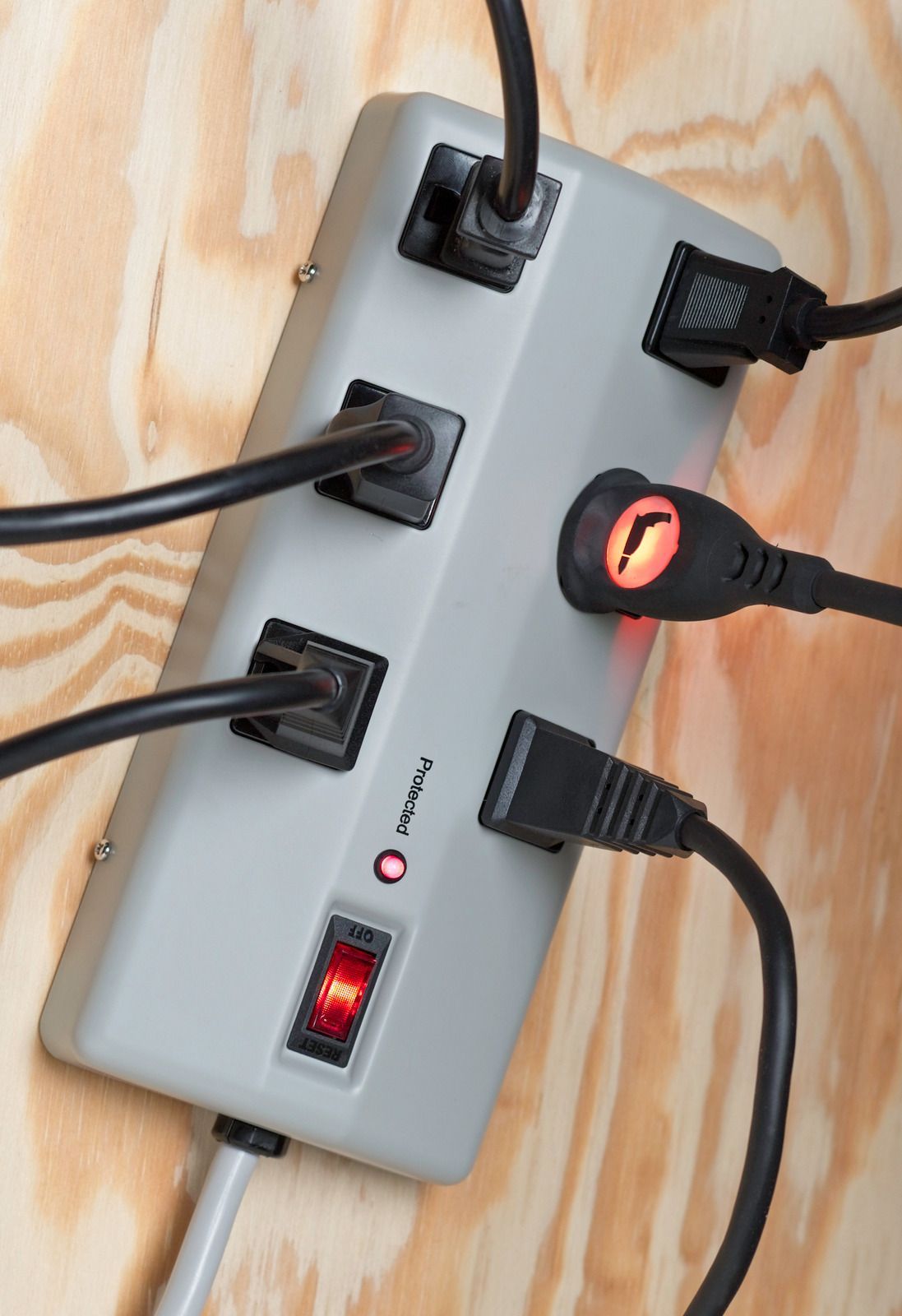
The second layer is point of use protection. Quality surge protectors with a real joule rating at your computer, television, and home office handle the smaller everyday spikes that slip past, and these you can safely add yourself.
The third piece is proper grounding, the path every surge needs to escape safely. None of the above works fully if your ground is weak or corroded.
Habits That Keep the Protection Working
Monthly, glance at the indicator lights on your surge protectors and replace any that have gone dark. Quarterly, feel your outlets for warmth or discoloration, which signals a connection working too hard. Once a year, have your panel and grounding inspected, especially after a heavy storm season, since salt air can degrade a ground connection in a single summer. A unit that has absorbed enough hits quietly stops protecting while still passing power, so refresh whole home protection every several years.
The most common mistake we see is treating any power strip as a surge protector. The second is leaving devices plugged in through a severe storm because a protector is in place. A direct strike can overwhelm any unit, so unplugging truly sensitive gear is still your safest move.
Frequently Asked Questions
Will a power strip protect my electronics from a real surge?
A basic power strip only splits one outlet into many and offers no protection. You need one labeled a surge protector with a joule rating, and even that handles only smaller spikes. For lightning and grid surges, whole home protection at your panel matters most.
How do I know if my surge protector still works?
Most surge protectors have an indicator light showing protection is active. Once that light goes dark or changes color, the internal parts have worn out from absorbing spikes. Replace it then, since the strip still powers devices but no longer shields them from damaging voltage.
Can power surges damage devices that are turned off?
Yes. As long as a device stays plugged in, surge voltage can still travel through the cord and reach its board. Turning something off does not break that path. Unplugging during a strong storm, or using whole home protection, is the only reliable safeguard.
Why do my electronics fail more often in summer?
Summer storms along the coast bring frequent lightning and rapid grid switching as utilities respond to weather. Each event sends spikes through nearby lines. Humidity and salt air also corrode grounding connections over time, which lets more surge energy reach the devices throughout your home.
Is whole home surge protection worth installing?
For most homes it is, especially where storms are common. A device mounted at your panel stops large surges before they reach every circuit, protecting your HVAC, appliances, and electronics at once. Pair it with plug in protectors at sensitive devices for layered defense.
Dependable Surge Solutions From Experienced Coastal Electricians
The core principle is simple: surges are constant, not rare, and the protection that lasts starts at your panel and works outward to every device. Homes along this part of the coast face more of this than most, with summer lightning, storm season grid swings, and salt air slowly eating away at the grounding that keeps protection working. That combination wears electronics down faster here than almost anywhere inland. At EDGElectric, we have spent over 11
years installing whole
home surge protection, repairing grounding systems, and tracing the hidden surges that quietly ruin electronics for homeowners across Wilmington, North Carolina. If your lights flicker, your devices keep resetting, or you simply want to guard what you own, reach out to us. We will check your panel, your grounding, and your protection from the ground up.