Lightning and Storm Surges Frying Electronics? How Whole-Home Surge Protection Stops the Damage
August 30, 2026
QUICK ANSWER: A whole-home surge protective device installed directly at your main electrical panel intercepts dangerous voltage spikes before they reach your wiring, appliances, and electronics, offering far broader coverage than any plug-in strip. Paired with solid grounding, it's the most reliable way to stop a lightning strike, a utility grid hiccup, or even your own air conditioner cycling on from quietly wrecking the equipment inside your home.
What Actually Causes a Power Surge
Most homeowners picture a lightning bolt the moment they hear the word "surge." That instinct isn't wrong, just incomplete. Lightning is the dramatic version, and a direct or nearby strike can send tens of thousands of volts racing down utility lines and into a house in a fraction of a second. Southeastern North Carolina sees enough summer thunderstorm activity that this risk shows up every season, not just once in a while.
The National Electrical Manufacturers Association has found that as much as 80 percent of the surges hitting a typical home actually start inside the house itself. Your air conditioning compressor kicking on, a refrigerator motor cycling, a garage door opener starting up, even a hair dryer switching off, all of these create small, repeated voltage spikes as current is interrupted and re-established. Individually they're minor. Over months and years they add up, quietly stressing the capacitors and circuit boards inside your HVAC system, your washer, your television, and every smart device plugged into the wall.
Utility-side events matter too. A transformer fault down the street, a squirrel on a line, grid switching, or the surge that often follows when power is restored after an outage can all send a spike through your service entrance. None of these show up as a dramatic flash. Your lights might flicker for a second, or nothing visible happens at all, and weeks later an appliance just stops working for no obvious reason.
TIP: If you notice a pattern of small electronics failing sooner than they should, a smart TV that dies after two years, a modem that needs replacing every season, treat that as a clue rather than bad luck. Repeated minor surges are a common and often overlooked cause.
Why Plug-In Protectors Only Do Half the Job
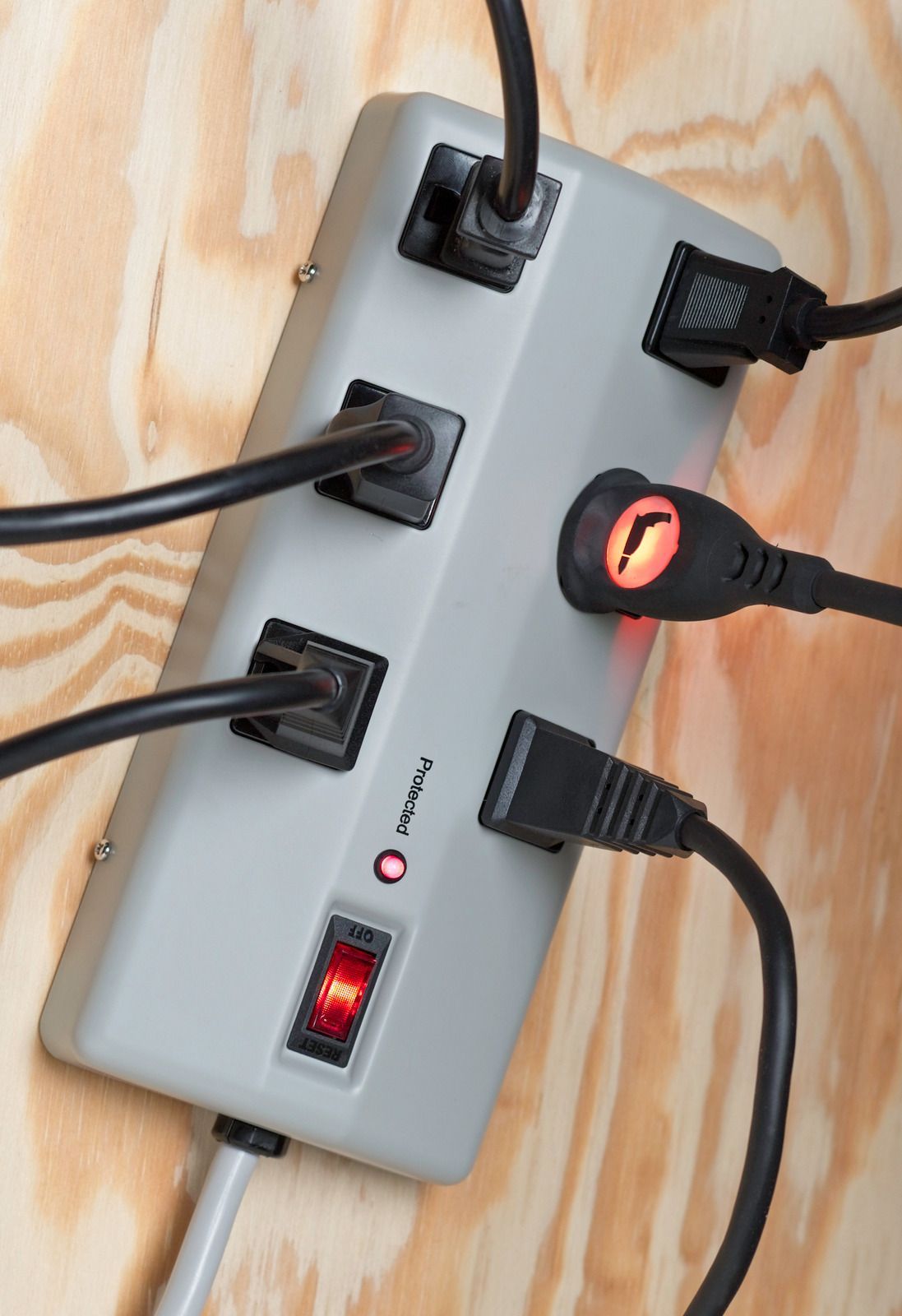
The power strip sitting under your desk is doing real work. Keep it. But it was only ever designed to protect what's plugged directly into it, and it can't shield your HVAC system, your water heater, your dishwasher, your well pump, or any other hardwired equipment. It can't stop a surge from entering your home's wiring in the first place. It's a last line of defense for a handful of devices, not a system.
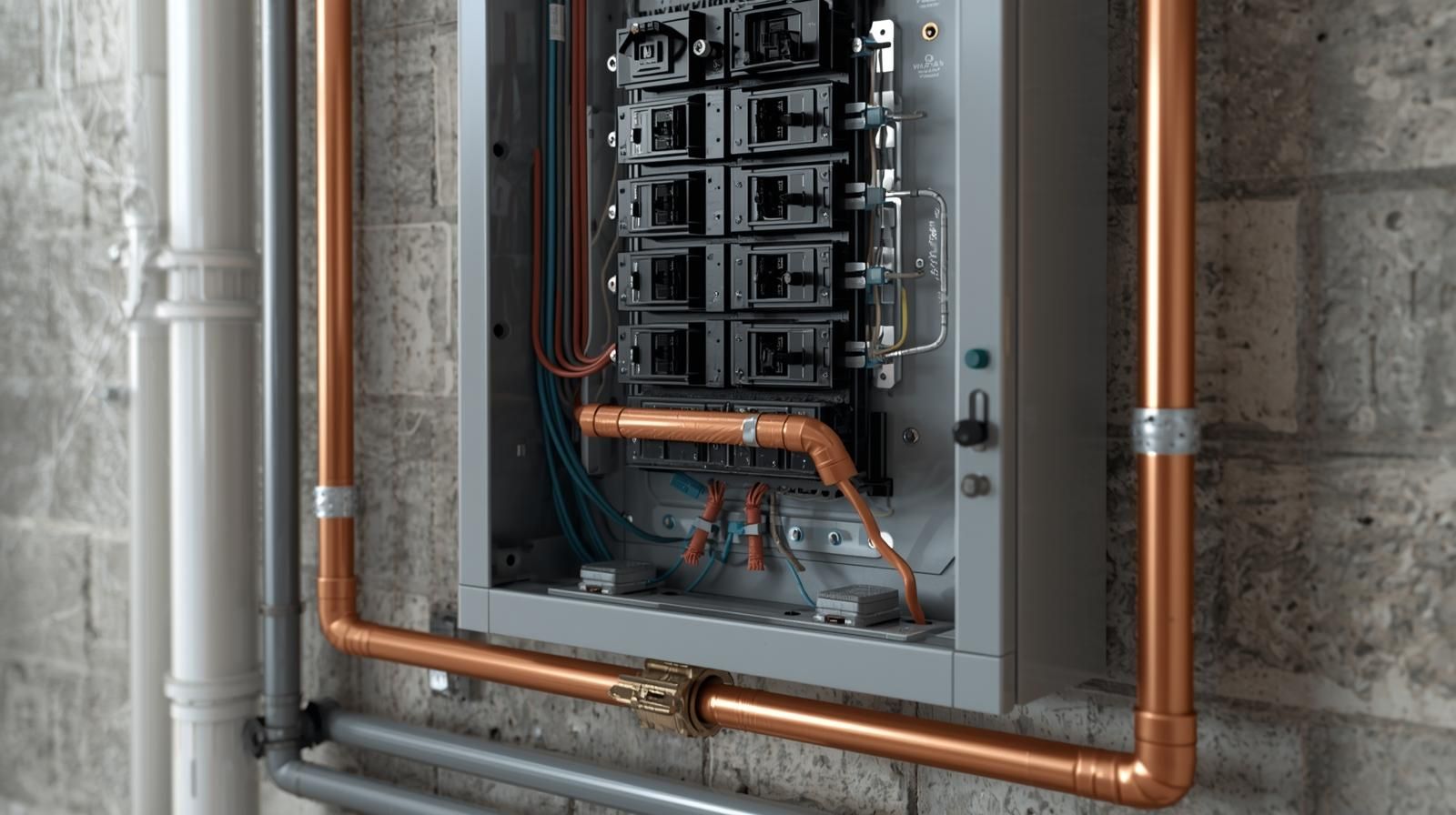
A whole-home surge protective device works differently because of where it sits. Installed at your main service panel, and sometimes at a subpanel serving a detached garage or workshop, it monitors every circuit leaving that panel. When a spike arrives, whether it starts miles away in a thunderstorm or right in your own HVAC compressor, the device senses the excess voltage and redirects it safely to your grounding system before it can travel down the branch circuits to your outlets, switches, and equipment. Your plug-in strips still handle the fine, final layer of protection for sensitive electronics. The panel-level device handles everything else, all at once, automatically, every time.
How the Technology Actually Works
Inside a surge protective device sits a component that behaves almost like a pressure relief valve for electricity. Under normal voltage, it does nothing. Current just passes through, unaffected. The instant voltage climbs above a safe threshold, it changes state in a fraction of a millisecond and channels the excess energy away from your wiring and into the ground, then resets itself for the next event. That's the basic mechanism behind most modern surge protective devices, and it's why proper sizing and installation matter so much. A device rated for the wrong load, or one connected to a weak grounding system, won't perform the way it's supposed to when a real surge hits.
A surge protective device isn't a one-time purchase you install and forget. Each time it absorbs a significant spike, some of its internal capacity gets used up. A single major event, like a close lightning strike, can be enough to exhaust a device that already handled years of smaller surges without you ever noticing. Most units include an indicator light showing whether they're still functioning. Glance at it now and then instead of assuming it's always doing its job quietly in the background.
Signs Your Home Has Already Taken Surge Damage
Surge damage rarely announces itself with sparks or smoke. More often it looks like a slow pile-up of small failures. A refrigerator compressor that used to run quietly now cycles louder or more often. A ceiling fan's control board stops responding to the remote. A garage door opener needs to be reset more and more. Circuit boards in modern HVAC systems, tankless water heaters, and even washing machines are especially vulnerable because they rely on delicate electronics to manage functions that used to be purely mechanical.
Pay attention if several unrelated devices in your home fail within a short window of each other, especially right after a thunderstorm rolled through or the power flickered and came back on. A single failure is usually just an appliance reaching the end of its life. Multiple failures clustered together point toward a shared electrical cause, and that's a very different problem to solve.
WARNING: Never attempt to open, inspect, or work inside your main electrical panel yourself to check for surge damage. The panel carries live voltage even when individual breakers are switched off, and diagnosing surge-related issues safely requires testing equipment and training. If you suspect surge damage, leave the panel closed and have a licensed electrician evaluate it.
Grounding Is the Part Most Homeowners Never Think About
A surge protective device is only as good as the path it has to send excess voltage away from your home. That path is your grounding system: the electrodes, bonding jumpers, and conductors that give dangerous voltage somewhere safe to go. A grounding connection that's loose, corroded, or undersized can leave a correctly sized, properly installed surge device underperforming right when it matters most, simply because the energy it's trying to redirect has nowhere reliable to travel.
This matters more here than in a lot of the country. Humidity, salt-laden air near the coast, and seasonal flooding all speed up corrosion at grounding rods, clamps, and exposed connections faster than they would inland. A grounding system that was solid when a home was built can quietly degrade over the years with no visible warning, right up until a surge event exposes the weak link.
Having grounding integrity checked now and then, especially in older homes or after a major storm, is one of the simplest ways to keep the rest of your surge protection strategy actually working.
Layering Protection Where It Matters Most
Not every circuit in a home carries equal risk. HVAC systems, well pumps, and home automation or networking equipment tend to be both expensive to replace and especially sensitive to voltage swings. A subpanel feeding a detached garage, workshop, or addition is another entry point for surges, and it often benefits from its own dedicated protection layered on top of the main panel-level device. Think of it less as one product doing all the work and more as a series of checkpoints, each one taking pressure off the next.
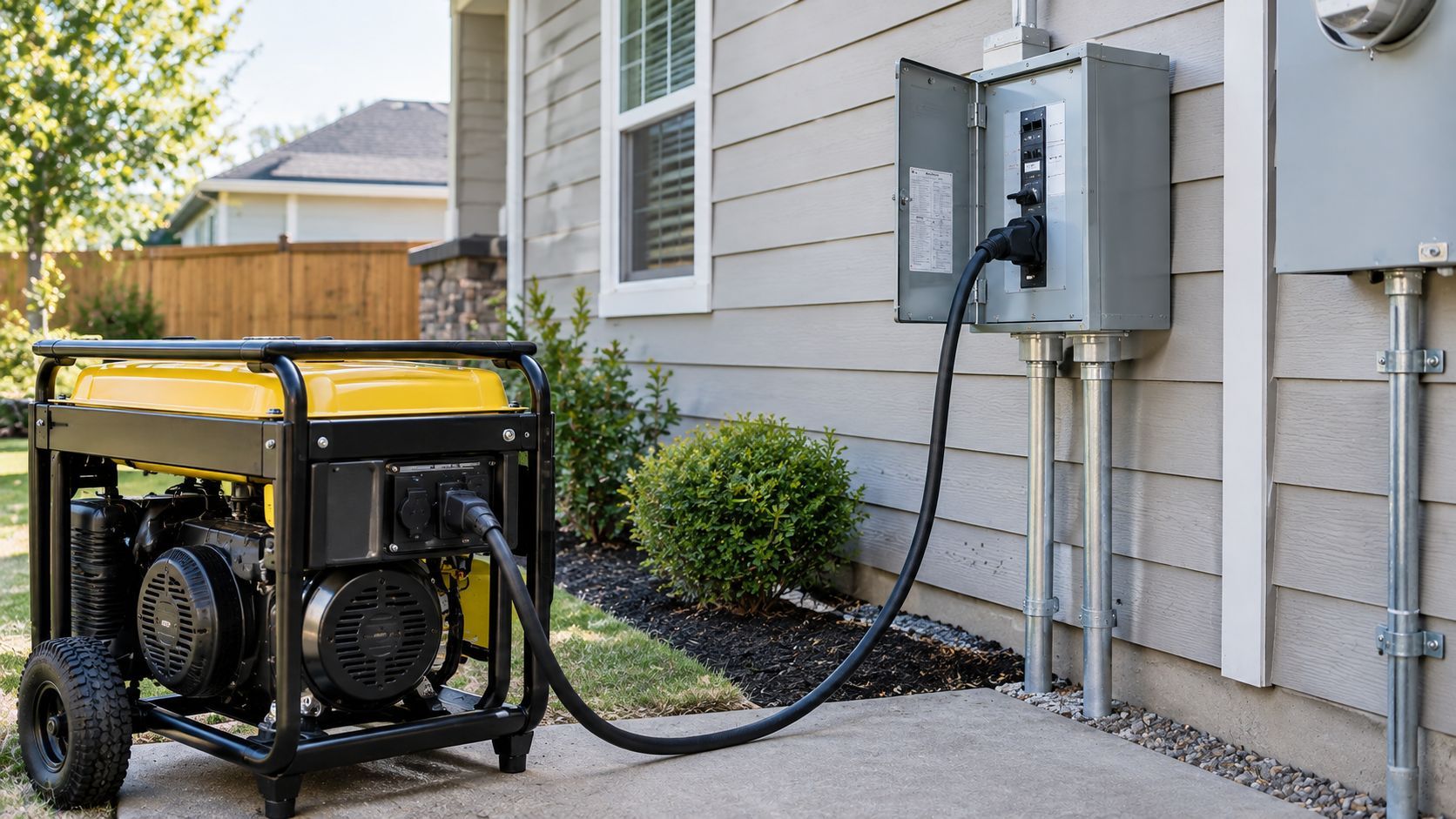
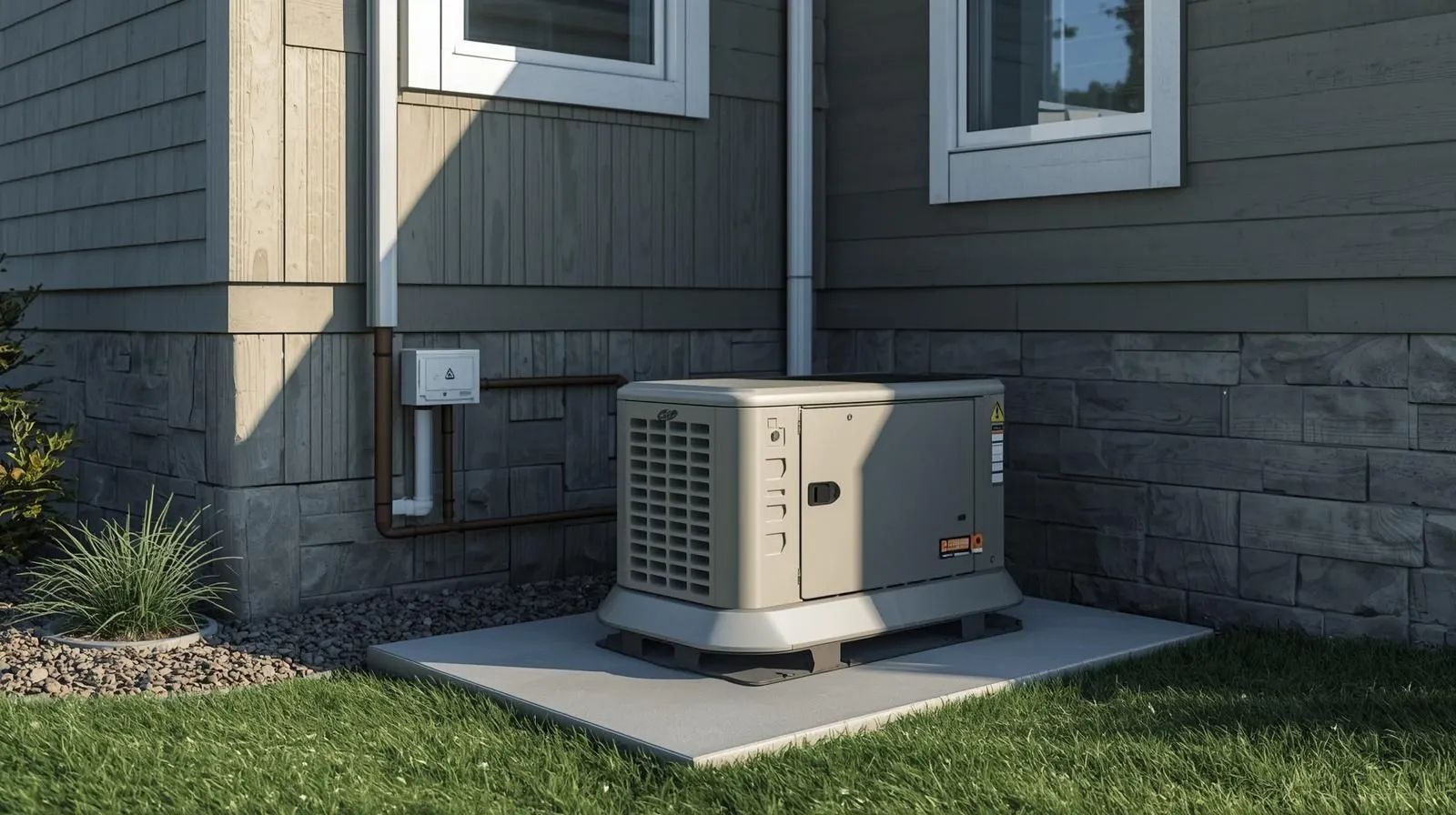
Homes with standby generators need a slightly different conversation. A transfer switch creates its own moment of electrical transition every time power shifts between utility and generator supply, and that transition has to be coordinated with your surge protection so the two systems work together instead of leaving a gap during the switch. Already have a generator, or planning one? Have both systems evaluated together rather than treated as separate projects.
What Homeowners Can Safely Check, and What to Leave to a Professional
There's a real DIY-safe boundary here, and it's worth spelling out. You can watch for warning patterns: appliances failing in clusters, indicator lights on existing surge devices going dark, breakers tripping more often after storms than they used to. You can note when a nearby lightning strike or extended outage happened and keep that timeline in mind if something fails afterward. You can unplug especially sensitive electronics ahead of a forecasted severe storm as an extra precaution.
What you shouldn't do is open your panel, test or replace a surge protective device yourself, or inspect grounding connections at the panel or exterior grounding rod without cutting power at the main disconnect first. That disconnect work itself belongs to someone trained to do it safely. Panels carry lethal voltage regardless of whether individual breakers are off, and a poorly reinstalled connection can create a fire risk far worse than the surge damage you were trying to prevent in the first place.
Frequently Asked Questions
Do I still need my plug-in surge protectors if I install whole-home protection?
Yes. A panel-level device and your plug-in strips work at different points in the system. The panel device blocks the large, damaging spikes before they ever reach your wiring, while plug-in strips add a final layer of filtering for whatever electronics are plugged into them. Keeping both gives you layered coverage instead of a single point of failure.
How can I tell if my whole-home surge protective device is still working?
Check the status light or digital readout most devices include. Glance at it after any major storm or nearby lightning strike. A device that just absorbed a significant surge may need replacement even though the rest of your electrical system seems fine.
Is a surge from inside my home as damaging as one from lightning?
Individually, no. Internal surges from appliance cycling run much smaller than a lightning-related spike. But they happen constantly, day after day, and their cumulative effect on sensitive electronics and appliance circuit boards can end up just as costly over time. That's part of why whole-home protection addresses both sources instead of only the dramatic one.
Can whole-home surge protection work alongside a backup generator?
Yes, and it should be set up to. The transfer switch and the surge protective device need to be compatible so your home stays protected during the moment power shifts between utility and generator supply, not just while running on one source or the other.
Building Long-Term Electrical Resilience Through Better Protection
Power surges are often invisible, but the damage they leave behind can shorten the life of expensive appliances and sensitive electronics long before complete failure becomes obvious. Understanding where surges originate, how they travel through a home's electrical system, and why proper grounding matters helps homeowners make informed decisions about protecting their investment. Layered surge protection provides broader coverage than relying on outlet strips alone, reducing the impact of both severe weather and everyday electrical activity.
With 11+ years of experience, EDGElectric
has helped homeowners throughout Wilmington, NC, understand the value of properly designed
surge protection
and dependable electrical safety practices. When surge protection is paired with a well-maintained grounding system and installed correctly, it becomes part of a stronger, more reliable electrical system that continues protecting modern homes through changing seasons, unpredictable weather, and the growing number of electronic devices used every day.