What Is a Subpanel and Do You Really Need One?

April 30, 2026

Electrical systems in modern homes have evolved far beyond the simple fuse boxes of the past. With the increasing number of high-powered appliances, home offices, electric vehicle chargers, and entertainment systems, homeowners often find that a standard main electrical panel is no longer sufficient to handle the growing load. Understanding the role of a subpanel becomes essential for anyone looking to expand, upgrade, or optimize their home's electrical infrastructure. A subpanel serves as a secondary distribution point, allowing circuits to be managed more efficiently and safely without overloading the main panel. Beyond just capacity, subpanels can improve convenience, streamline wiring, and reduce the risk of circuit interruptions. They also allow for better organization of electrical loads and can simplify maintenance, especially in larger homes with multiple high-demand areas.


Deciding whether a subpanel is necessary requires a careful assessment of current electrical demands and future expansion plans. Many homeowners delay the upgrade until they experience frequent breaker trips or need additional circuits for new appliances. However, proactive planning can prevent costly electrical issues and ensure safety compliance with modern codes. Understanding the investment and installation process beforehand allows homeowners to make informed decisions that balance cost, convenience, and safety. By exploring the functionality, advantages, and installation considerations of subpanels, homeowners and professionals can make informed decisions that enhance both safety and efficiency. This guide dives into the essentials of subpanels, offering practical insights and expert reasoning to determine whether a subpanel is a wise investment for your home.

Understanding the Basics of a Subpanel

What Is a Subpanel?

A subpanel, also called a distribution panel or secondary panel, is an auxiliary electrical panel connected to the main service panel. Unlike the main panel, which receives power from the utility meter and houses the main breaker, a subpanel distributes electricity to specific areas or circuits in a home. The subpanel contains its own set of circuit breakers, which provide local control over electrical loads. Essentially, it extends the reach of the main panel, allowing circuits to be organized closer to where power is needed.

How Subpanels Work

Power flows from the utility into the main panel, where the main breaker regulates total electrical load. From the main panel, a feeder cable runs to the subpanel. The subpanel then divides this power among its individual circuits. Depending on the design, subpanels can handle 60 to 100 amps or more, offering significant flexibility for larger homes, outbuildings, or high-demand appliances. A key feature of subpanels is the separate neutral and ground bus bars, which enhance safety and reduce electrical interference. By creating localized distribution, subpanels reduce the distance electricity must travel, potentially improving voltage stability and circuit reliability.

Signs You Might Need a Subpanel

Frequent Breaker Trips

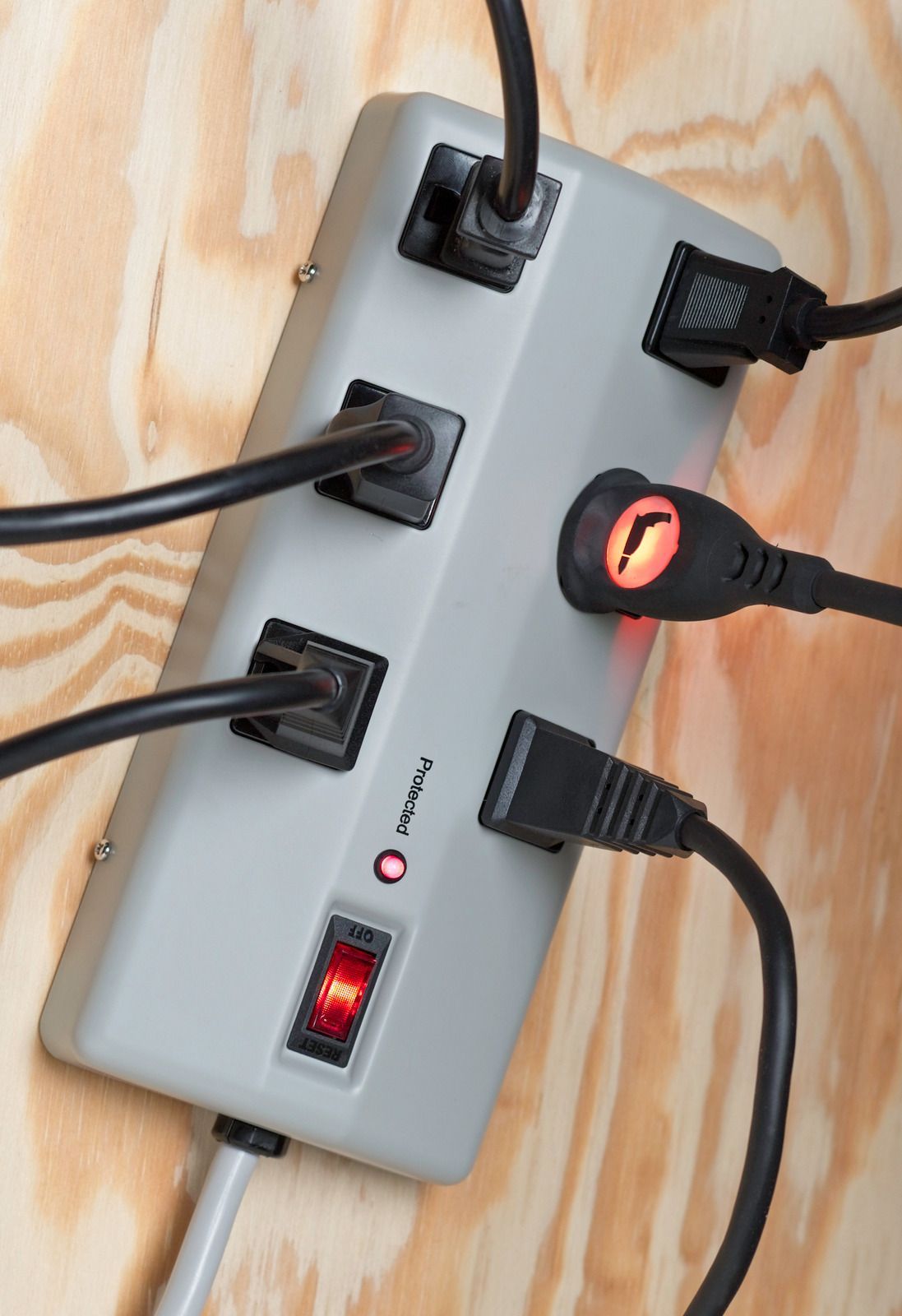
One of the most obvious indicators that a home may benefit from a subpanel is recurring breaker trips. If multiple high-demand appliances run simultaneously—like an HVAC system, dryer, or kitchen range—the main panel may become overloaded. Installing a subpanel dedicated to specific areas or circuits can prevent interruptions and distribute electrical loads more evenly.

Home Renovations and Additions

Adding new rooms, a garage, or a workshop often requires additional circuits. Rather than expanding the main panel beyond its safe capacity, a subpanel provides a practical solution. It allows for additional breakers and circuits without compromising safety or violating electrical codes. For example, a workshop with heavy machinery can have its own subpanel, preventing interference with household circuits.

Upgrading to Modern Appliances

Modern electrical appliances, such as electric ovens, induction cooktops, heat pumps, or EV chargers, require more power than older equipment. Homes built decades ago may not have sufficient main panel capacity to support these appliances. A subpanel can allocate dedicated circuits for high-demand devices, maintaining system stability and ensuring compliance with current electrical standards.

Benefits of Installing a Subpanel

  • Improved Electrical Organization

    Subpanels allow for logical grouping of circuits by location or function. For instance, all circuits serving a basement, workshop, or home office can be managed from a single subpanel. This organization makes troubleshooting and maintenance easier. When electrical issues arise, knowing which subpanel controls specific areas reduces time spent identifying the source of a problem.

  • Enhanced Safety

    By isolating circuits, subpanels help prevent overloads in the main panel. Overload conditions are a common cause of breaker trips and can, in extreme cases, lead to overheating or fire hazards. Subpanels also reduce the length of wiring runs for high-demand circuits, decreasing the risk of voltage drop, heat buildup, and insulation damage. Additionally, properly configured neutral and ground separation in subpanels improves safety by minimizing the risk of stray currents.

  • Future-Proofing the Home

    Homes today face ever-growing electrical demands. Installing a subpanel during renovations or expansions ensures that future upgrades can be accommodated without extensive rewiring. Whether adding EV chargers, pool equipment, or high-powered home entertainment systems, a subpanel provides the flexibility to adapt to evolving needs while keeping electrical loads balanced.

  • Convenience and Accessibility

    Subpanels positioned closer to the areas they serve reduce the need to access the main panel for routine tasks, such as resetting breakers. For large properties or multi-story homes, this convenience can save time and improve operational efficiency. For example, a detached garage with a subpanel allows homeowners to control lighting, outlets, and tools without walking back to the main panel.

Installation Considerations for Subpanels

Load Calculation and Panel Sizing

Before installing a subpanel, it is crucial to calculate the electrical load it will serve. This includes adding up all devices, appliances, and lighting circuits intended to run on the subpanel. Load calculations ensure the subpanel can handle expected demands without exceeding the capacity of the main panel’s feeder breaker. Oversizing the subpanel unnecessarily increases cost, while undersizing can create overload issues and frequent breaker trips.

Feeder Cable and Breaker Selection

The feeder cable connecting the main panel to the subpanel must be appropriately sized to handle the anticipated amperage. Typically, copper or aluminum conductors are selected based on distance, voltage drop, and load requirements. Similarly, the breaker in the main panel that feeds the subpanel must match the subpanel’s rated capacity. Incorrect sizing can compromise safety and violate electrical codes.

Placement and Accessibility

Subpanels should be installed in accessible, dry locations to allow easy access for maintenance and inspections. Common areas include basements, garages, or utility rooms. Clearance requirements, as specified by the National Electrical Code (NEC), must be observed to ensure safe operation. Proper labeling of circuits in the subpanel is also essential for efficient troubleshooting and compliance during inspections.

Compliance and Permits

Subpanel installation requires adherence to local electrical codes and often a permit. Professional electricians ensure compliance with NEC guidelines, including proper grounding, neutral isolation, and overcurrent protection. Attempting DIY installation without proper knowledge or permits can result in safety hazards and legal complications. Ensuring certified installation not only protects property but also maintains home insurance coverage.

Common Challenges with Subpanels

Overloading Risks

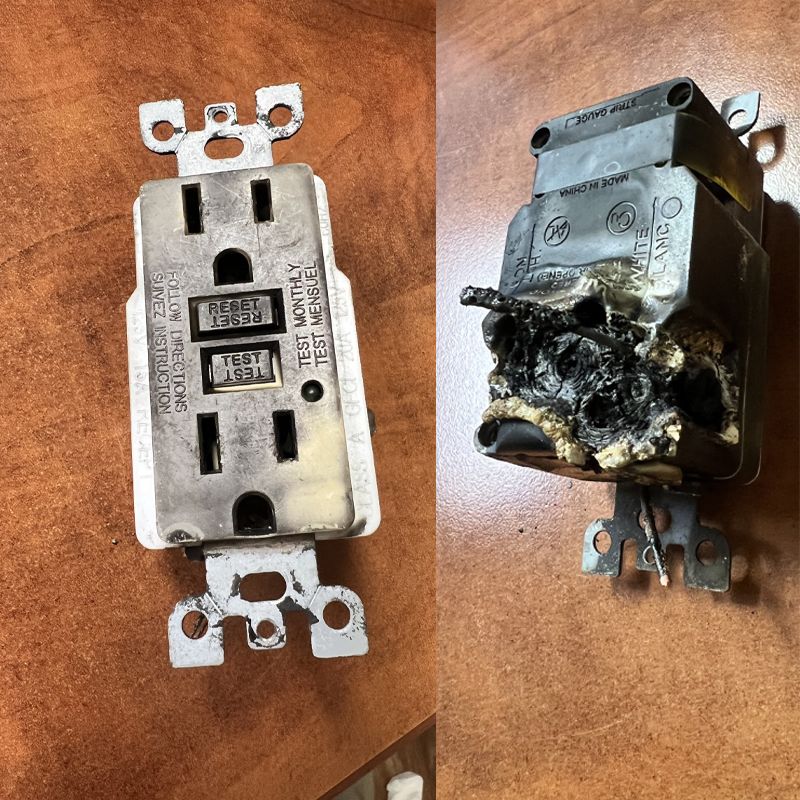
Although subpanels distribute load more efficiently, they can still be overloaded if not properly sized or if circuits are mismanaged regularly. Periodic load reviews are necessary, especially after adding new high-demand appliances or electrical devices. Overloading may result in frequent breaker trips, overheating, or even fire hazards if ignored for extended periods.

Voltage Drop Concerns

Long feeder runs between the main panel and a subpanel can result in noticeable voltage drops, affecting appliance performance and efficiency. Proper wire sizing and, in some cases, step-up voltage solutions help mitigate this issue effectively. Planning the subpanel location relative to the main panel carefully helps minimize distance and associated voltage loss over time.

Maintenance and Labeling

A subpanel adds another layer to the home’s complex electrical system. Without proper labeling and organized documentation, maintenance or troubleshooting can become confusing and time-consuming. Clearly marking each breaker with its corresponding circuit ensures overall safety and efficiency, preventing accidental power interruptions or potential electrical mishaps.

Cost Considerations

While subpanels offer many advantages, installation comes with upfront costs, including panel purchase, feeder cable, breakers, and professional labor services. Balancing the initial investment with long-term benefits such as improved safety, convenience, and future-proofing helps homeowners make informed decisions wisely. In many cases, the investment pays off through reduced electrical issues and enhanced system reliability over the years.

Professional Electrical Services Designed for Homeowners’ Peace

Subpanels provide an effective solution for managing modern electrical demands. They improve circuit organization, enhance safety, and allow for future expansion without overloading the main panel. From preventing frequent breaker trips to supporting high-demand appliances, subpanels address both practical and safety-related concerns in residential electrical systems. Careful consideration of load requirements, panel sizing, feeder selection, and professional installation ensures a reliable, compliant setup.


At EDGElectric, we bring over 11 years of experience delivering reliable residential electrical solutions in Wilmington, North Carolina. Our expertise spans subpanel installation, electrical upgrades, and whole-home power optimization. We focus on safe, efficient, and code-compliant solutions tailored to individual home needs. By combining professional knowledge with hands-on experience, EDGElectric helps homeowners prevent electrical issues, streamline power distribution, and future-proof their homes. Choosing EDGElectric ensures peace of mind, knowing that every project is handled with precision, professionalism, and a commitment to long-term safety and performance. Trust EDGElectric for all residential electrical needs and experience the confidence that comes with expert service.

Check out Our Recent Blogs

A modern kitchen island with light blue cabinets and a built-in microwave, set in a room with white cabinets and decor.
March 23, 2026
Electrical systems are the backbone of modern residential living, powering essential appliances, safety devices, and comfort-driven technologies. However, many homes continue to rely on outdated or overloaded electrical panels that struggle to keep pace with evolving energy demands. As homeowners incorporate smart devi
A modern kitchen island with light blue cabinets and a built-in microwave, set in a room with white cabinets and decor.
March 23, 2026
Electrical systems are the backbone of modern residential living, powering essential appliances, safety devices, and comfort-driven technologies. However, many homes continue to rely on outdated or overloaded electrical panels that struggle to keep pace with evolving energy demands. As homeowners incorporate smart devi
A modern kitchen island with light blue cabinets and a built-in microwave, set in a room with white cabinets and decor.
March 23, 2026
Electrical systems are the backbone of modern residential living, powering essential appliances, safety devices, and comfort-driven technologies. However, many homes continue to rely on outdated or overloaded electrical panels that struggle to keep pace with evolving energy demands. As homeowners incorporate smart devi