Step-by-Step Guide to Installing a Subpanel Without Overloading Your Home
May 20, 2026
As modern households continue to integrate more high-powered devices, smart home technologies, and additional living spaces, the demand on home electrical systems has grown significantly. Older electrical panels often struggle to keep up with these increasing demands, resulting in tripped breakers, flickering lights, and potential safety hazards. Upgrading an electrical system through the installation of a subpanel provides a practical solution, allowing for better distribution of electrical loads and offering the flexibility to accommodate new circuits. Understanding how to install a subpanel safely is crucial to prevent overloading, maintain system reliability, and ensure compliance with local electrical codes.
This guide presents a step-by-step approach to installing a subpanel without overloading the home’s electrical system. By breaking down the process into manageable stages, it provides clarity for homeowners, DIY enthusiasts, and electricians alike. From initial planning and load calculation to installation, wiring, and inspection, each step emphasizes safety, efficiency, and long-term performance. Following these guidelines ensures that a subpanel enhances the electrical capacity of a home while maintaining the integrity of the existing system. This resource is designed to empower readers to make informed decisions, avoid common pitfalls, and achieve a reliable electrical setup.
Understanding Subpanels and Their Purpose
What Is a Subpanel?
A subpanel, sometimes referred to as a secondary electrical panel, is an additional distribution point connected to the main electrical panel. Unlike the primary panel, which receives power from the utility company, the subpanel distributes electricity to specific areas or circuits within a home. Subpanels are particularly useful when expanding living spaces, installing high-demand appliances, or creating dedicated circuits for workshops, garages, or entertainment areas.
Benefits of Installing a Subpanel
Adding a subpanel provides multiple advantages:
- Improved Load Management – By splitting the load between the main panel and the subpanel, the risk of tripping breakers due to overloading is minimized.
- Simplified Circuit Expansion – Instead of upgrading the entire main panel, new circuits can be added to the subpanel.
- Enhanced Safety – Subpanels reduce the need for long runs of wires across the home, lowering fire hazards and improving accessibility for maintenance.
- Future-Proofing – Homes can accommodate additional technology, appliances, or renovations without overtaxing the main panel.
Common Scenarios for Subpanel Use
Subpanels are frequently installed in garages, basements, home offices, or areas where multiple high-capacity appliances operate simultaneously. For instance, a home gym with an electric treadmill, heater, and sound system may benefit from a dedicated subpanel to prevent overloading the main panel. Similarly, an addition with kitchen appliances or HVAC units requires careful planning to ensure the main panel remains within safe limits.
Planning and Load Calculation
Assessing Current Electrical Load
Before installing a subpanel, it is essential to evaluate the current electrical load. This involves reviewing the main panel’s capacity, typically measured in amperes, and identifying existing circuits and their usage. Calculating total demand helps determine whether the main panel can safely supply a subpanel without exceeding its rated capacity.
Calculating Subpanel Requirements
Subpanel size is determined based on the projected electrical load. Common residential subpanels range from 60 to 125 amps. Calculations should include:
- Total wattage of all devices expected to operate simultaneously
- Peak usage scenarios (e.g., multiple appliances running during dinner time)
- Future expansion considerations
An accurate load calculation prevents overloading and ensures the subpanel accommodates current and future needs without compromising safety.
Choosing the Right Location
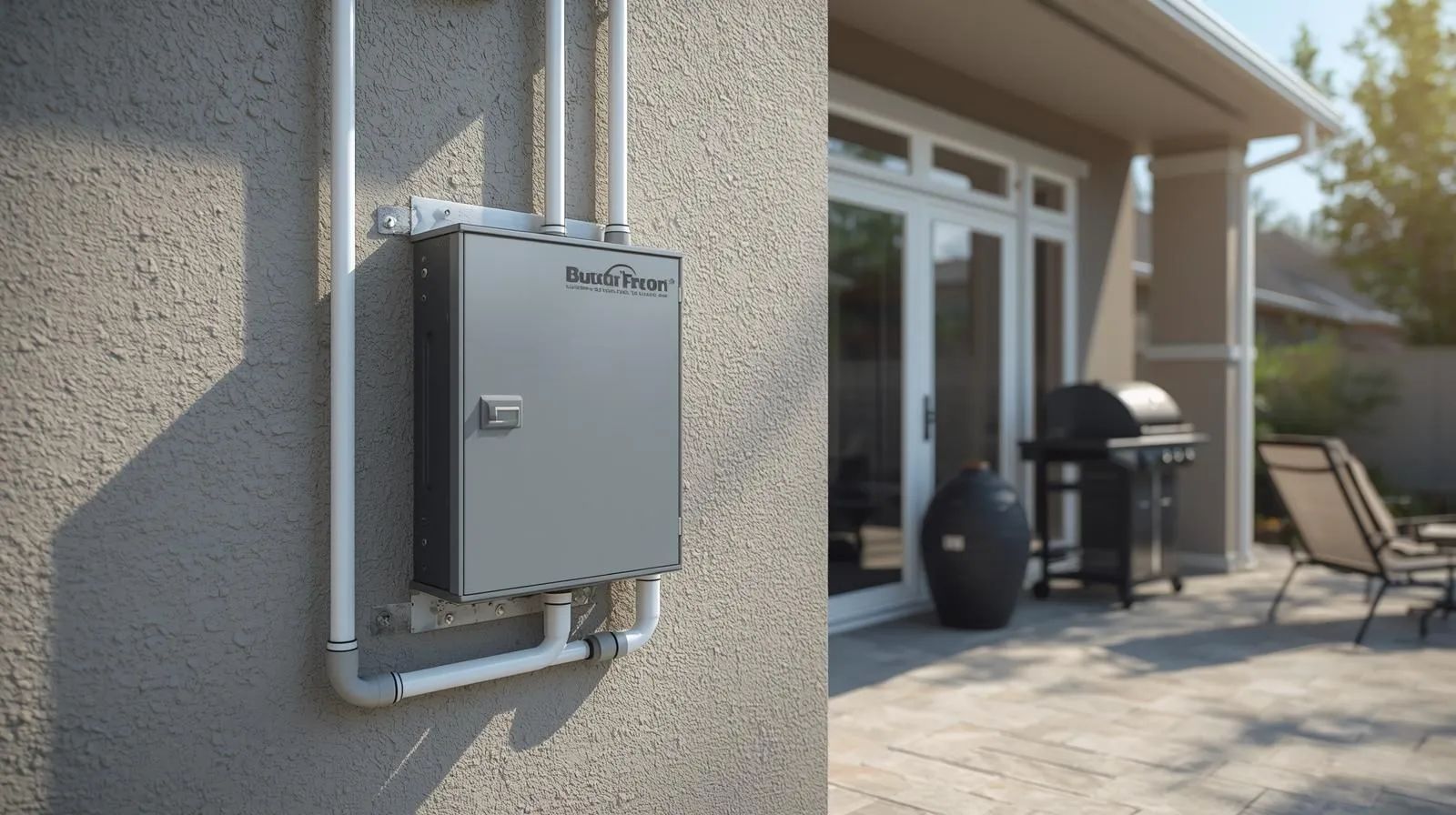
Placement of a subpanel should consider accessibility, proximity to the main panel, and code compliance. It should be mounted in a dry, easily reachable area, with sufficient clearance around the unit for maintenance. Basements, utility rooms, and garages are common locations, while outdoor installations require weatherproof enclosures.
Tools, Materials, and Safety Preparations
Required Tools and Materials
Installing a subpanel requires careful preparation. Necessary tools include:
- Voltage tester and multimeter for verifying power status
- Wire stripper, screwdrivers, and pliers for wiring connections
- Drill and mounting hardware for secure panel installation
Materials typically include:
- Subpanel enclosure with breaker spaces
- Circuit breakers compatible with the main panel
- Appropriately rated feeder wire (copper or aluminum)
- Grounding rod and grounding wire for proper earthing
Safety Precautions
Electrical work is inherently dangerous. Essential safety measures include:
- Turning off the main breaker before working on any circuits
- Verifying power is completely disconnected using a voltage tester
- Wearing insulated gloves and safety glasses
- Adhering to local electrical codes and permitting requirements
Prioritizing safety prevents injuries, ensures compliance, and reduces the risk of fire hazards associated with overloading or improper installation.
Step-by-Step Installation Process
Step 1: Disconnect Power
The first step is disconnecting the main breaker to cut power to the panel. Confirm the absence of electricity with a voltage tester. Label existing circuits to avoid confusion during wiring.
Step 2: Mount the Subpanel
Securely mount the subpanel at the selected location, ensuring proper clearance around the unit for future access and maintenance. Use level tools to guarantee the panel is straight and aligned.
Step 3: Run Feeder Wires
Run appropriately sized feeder wires from the main panel to the subpanel. The wire gauge must correspond to the subpanel’s amperage rating to handle load without overheating. Feeder wires typically include two hot wires, one neutral, and a grounding wire.
Step 4: Connect Breakers and Circuits
Install the breakers in the subpanel and connect circuits according to the load plan. Hot wires attach to the breakers, neutral wires to the neutral bus bar, and grounding wires to the grounding bus bar. Ensure no neutral and ground wires share the same bus in subpanels connected to main panels.
Step 5: Grounding and Bonding
Proper grounding is essential. Connect the subpanel’s grounding bus to a grounding rod driven into the earth. Maintain a separate neutral bus to prevent unwanted current flow, which can cause overloading or electrical faults.
Step 6: Inspection and Testing
After installation, conduct a thorough inspection. Check all connections for tightness and accuracy, then turn on the main breaker. Test individual circuits to confirm proper operation and balance of load. Use a multimeter to verify voltage levels and ensure no circuits are drawing excess current.
Avoiding Overload and Ensuring Efficiency
Load Balancing
Overloading occurs when circuits draw more amperage than the panel is rated to handle. To prevent this, distribute appliances and devices across both main and subpanels, avoiding concentration of high-draw circuits in a single location.
Upgrading Breakers and Wiring
Older homes may require updated breakers and wiring to safely handle new circuits. Using breakers and wires rated for the intended load prevents overheating, fires, and damage to sensitive electronics.
Monitoring and Maintenance
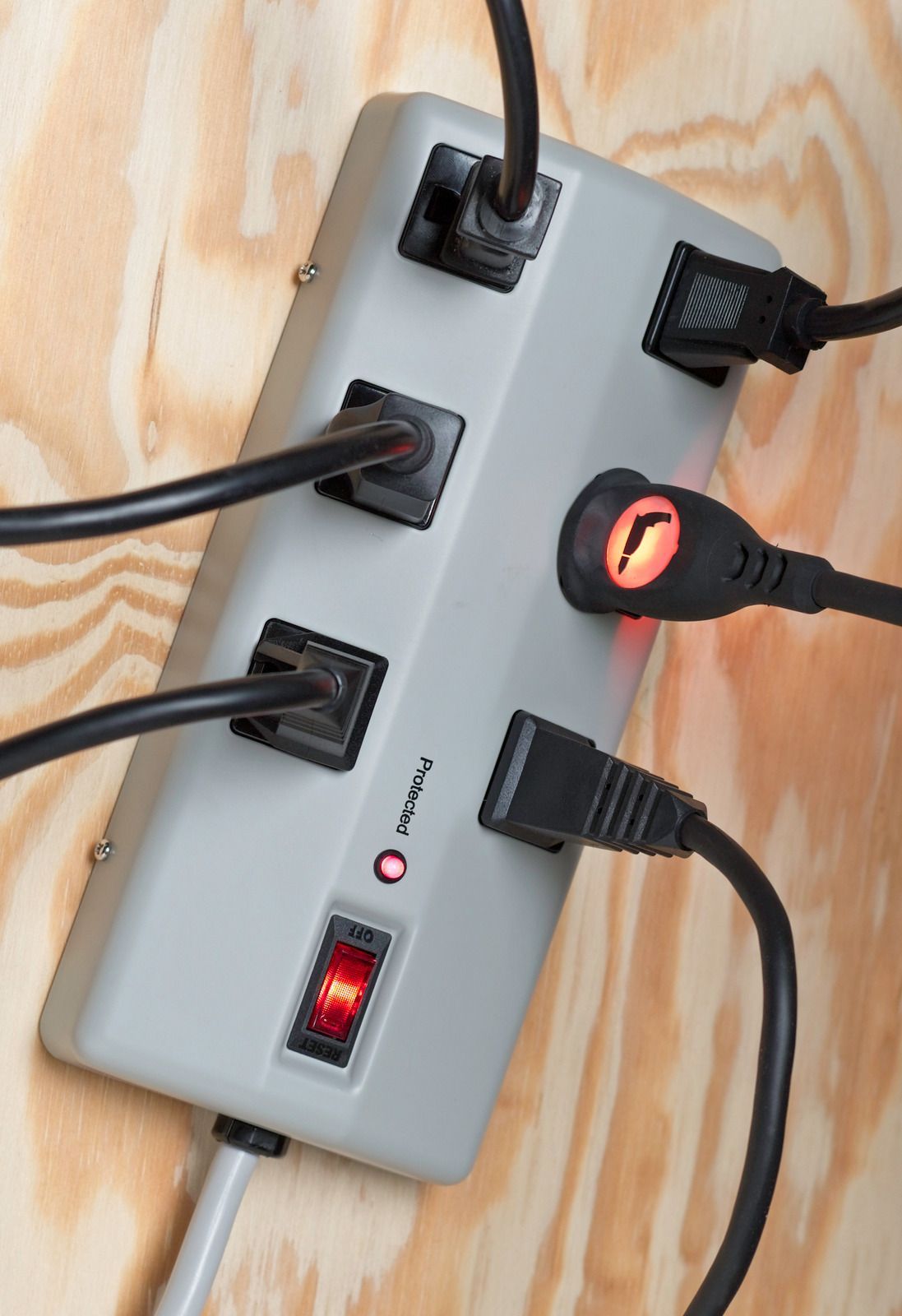
Regular monitoring helps identify emerging overload issues before they become dangerous. Periodically inspect breaker trips, wire integrity, and panel heat levels. Incorporating surge protectors and dedicated circuits for high-demand appliances enhances safety and efficiency.
Real-World Examples
- Home Office Expansion: Adding a subpanel allowed a family to run multiple computers, printers, and servers without tripping the main breaker.
- Garage Workshop: A 100-amp subpanel provided dedicated circuits for power tools, lighting, and an electric vehicle charger, eliminating overload issues.
Best Practices for a Safe Subpanel Installation
Follow Local Electrical Codes
Compliance with local electrical codes is non-negotiable. Codes dictate panel placement, wire types, grounding, and breaker installation, ensuring safety and insurance coverage.
Plan for Future Growth
When installing a subpanel, consider future expansion. Leave space for additional breakers and select wiring capable of handling incremental loads. This foresight prevents the need for costly upgrades later.
Labeling and Documentation
Clearly label all circuits in both the main panel and subpanel. Maintain a diagram indicating breaker positions and load assignments. Proper documentation aids in troubleshooting, maintenance, and ensures safe operation for anyone accessing the panels.
Professional Consultation
While DIY installation is possible for experienced individuals, consulting a licensed electrician ensures adherence to safety standards, reduces risks, and validates the system for inspection.
Reliable Subpanel Services Delivered by EDGElectric Experts
Installing a subpanel provides a practical and safe solution for managing growing electrical demands in residential spaces. By understanding load requirements, choosing the right location, and following step-by-step installation procedures, a subpanel can significantly enhance a home’s electrical capacity without overloading the main system. Effective grounding, load balancing, and adherence to safety protocols are critical to maintaining long-term reliability and preventing hazards. Regular monitoring and maintenance further ensure optimal performance and safety for all circuits. Additionally, planning for future expansion and clearly labeling circuits helps homeowners avoid unexpected overloads and simplifies troubleshooting, making the system more user-friendly and resilient over time.
At EDGElectric, our 11+ years of experience in residential electrical contractor services in Wilmington, North Carolina, allow us to provide reliable
subpanel installations
tailored to each home’s unique requirements. We prioritize safety, efficiency, and future-proofing, ensuring that every installation meets the highest standards. Trust EDGElectric
for expert guidance, precise execution, and ongoing support, so electrical systems remain safe, efficient, and capable of supporting modern living demands. With professional planning, installation, and maintenance, your home’s electrical system can perform optimally for years to come. Our commitment extends beyond installation—we educate homeowners on proper usage and preventative measures, ensuring peace of mind and uninterrupted power for every household.